
MY THOUGHT
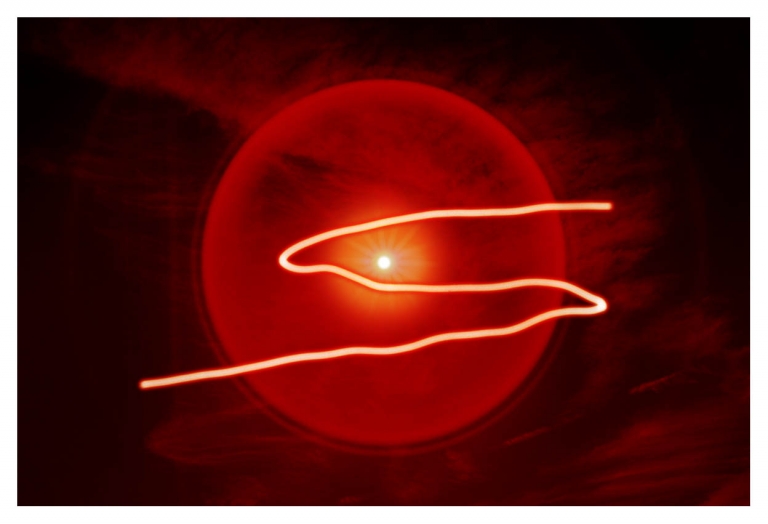
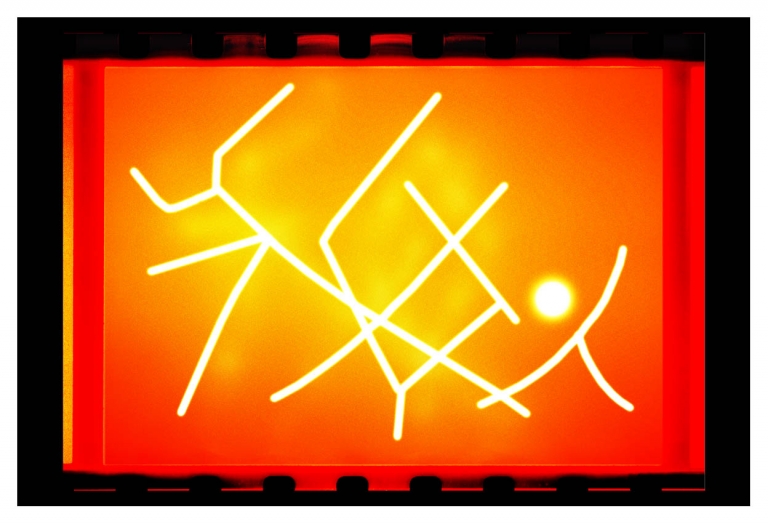
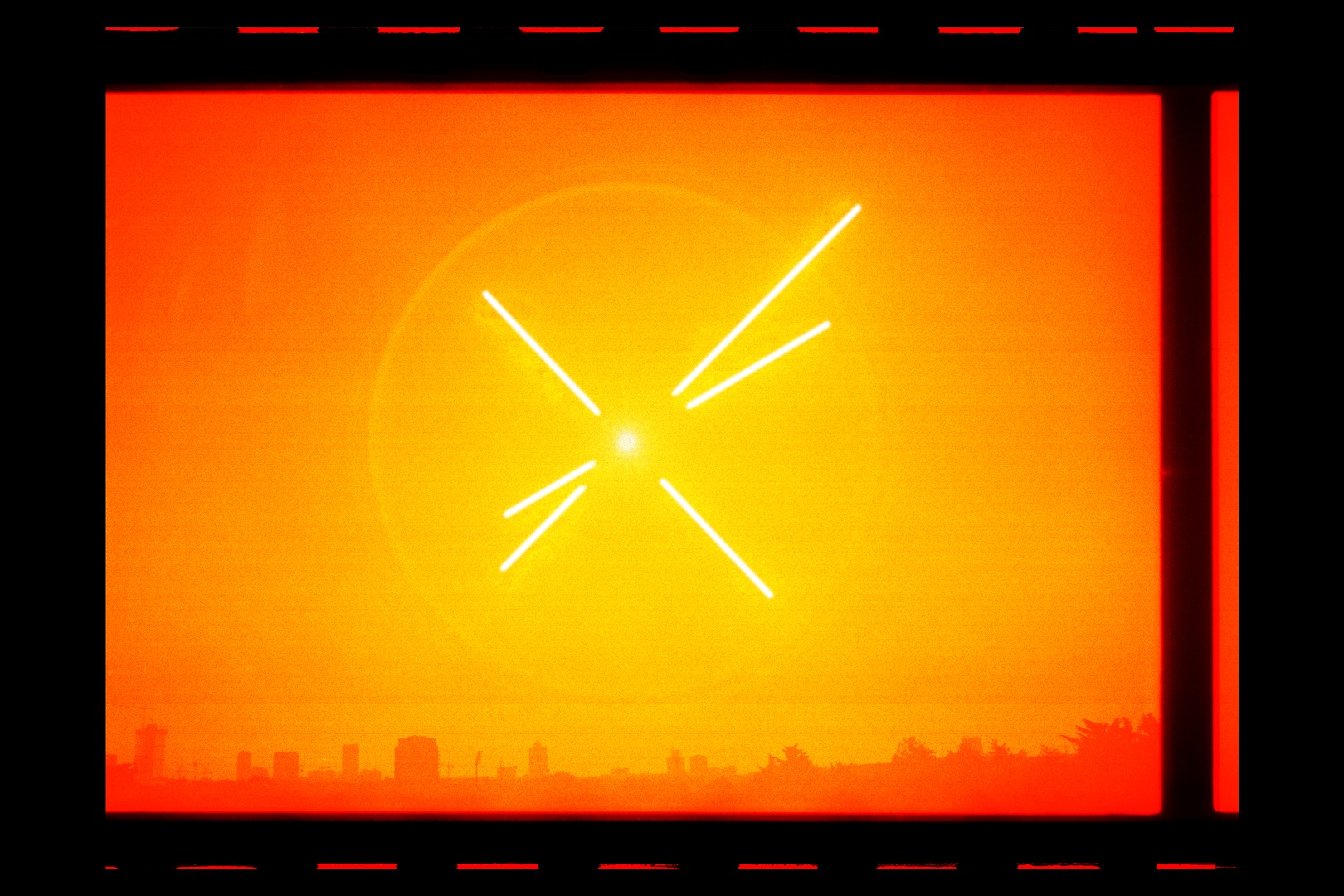
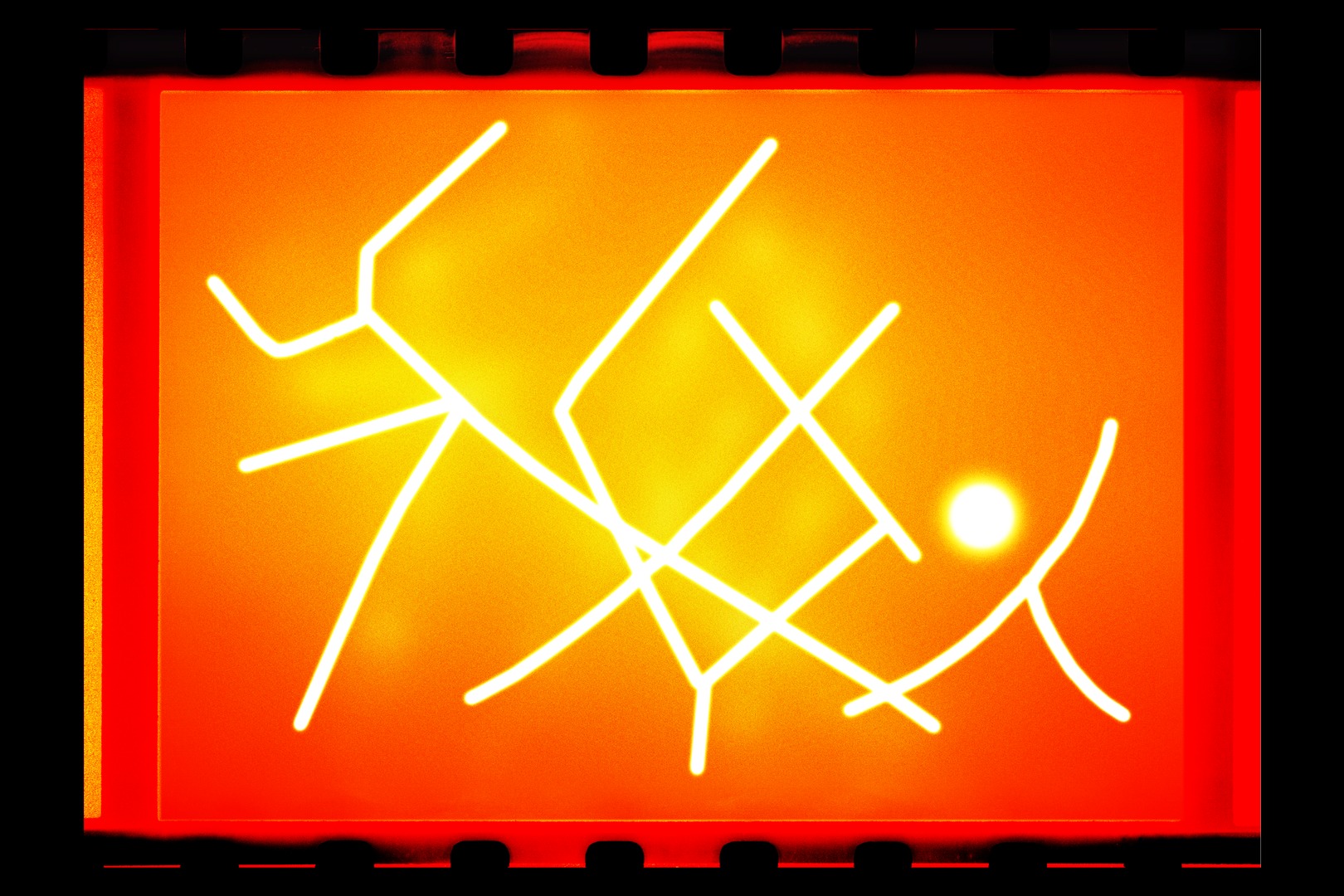
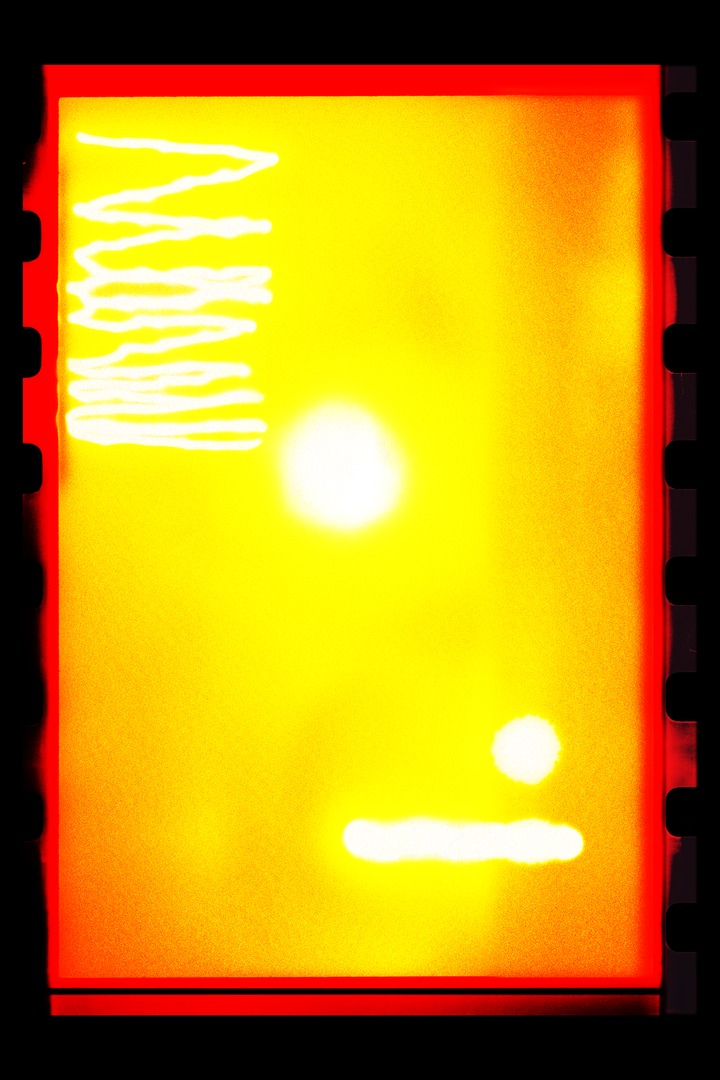
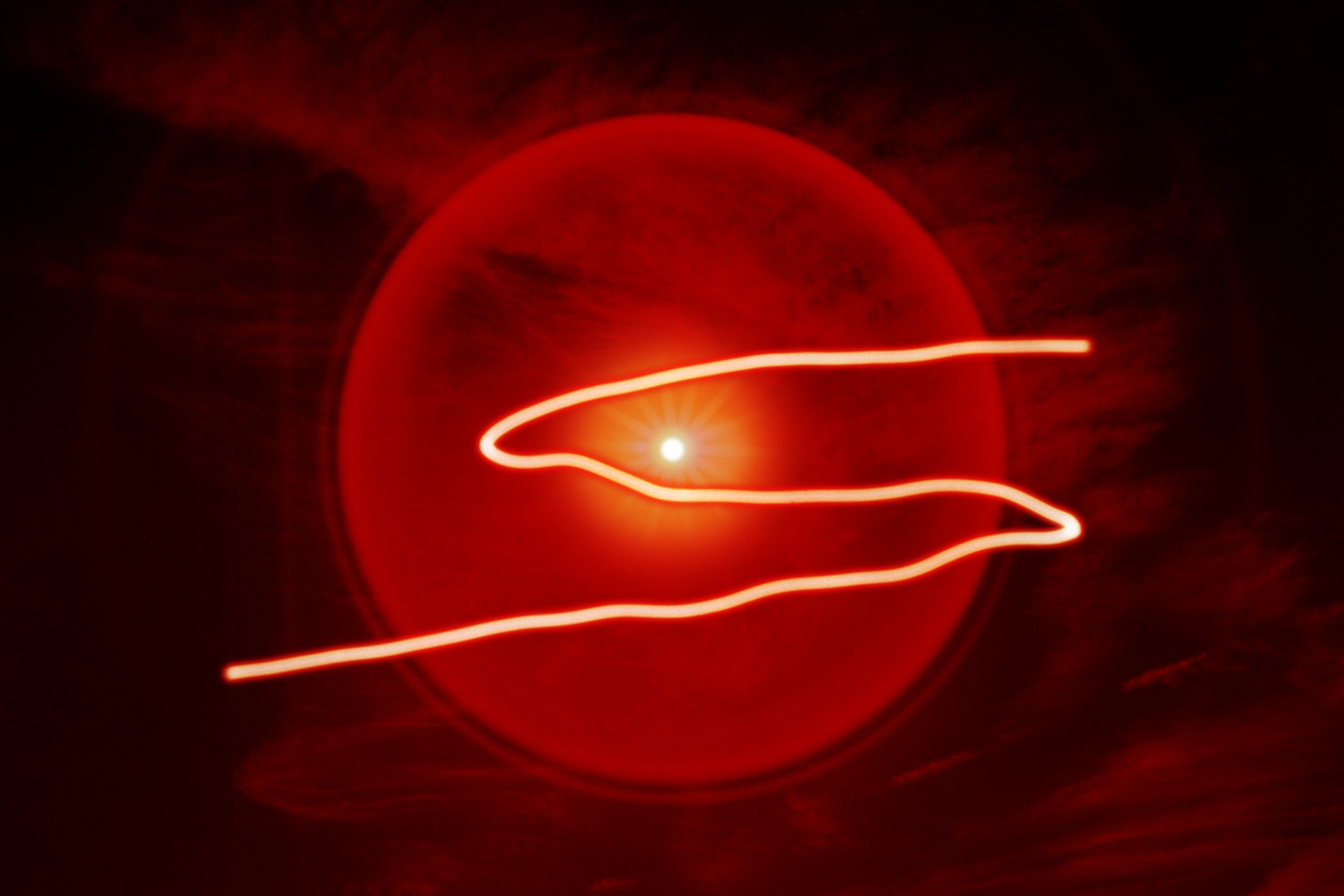
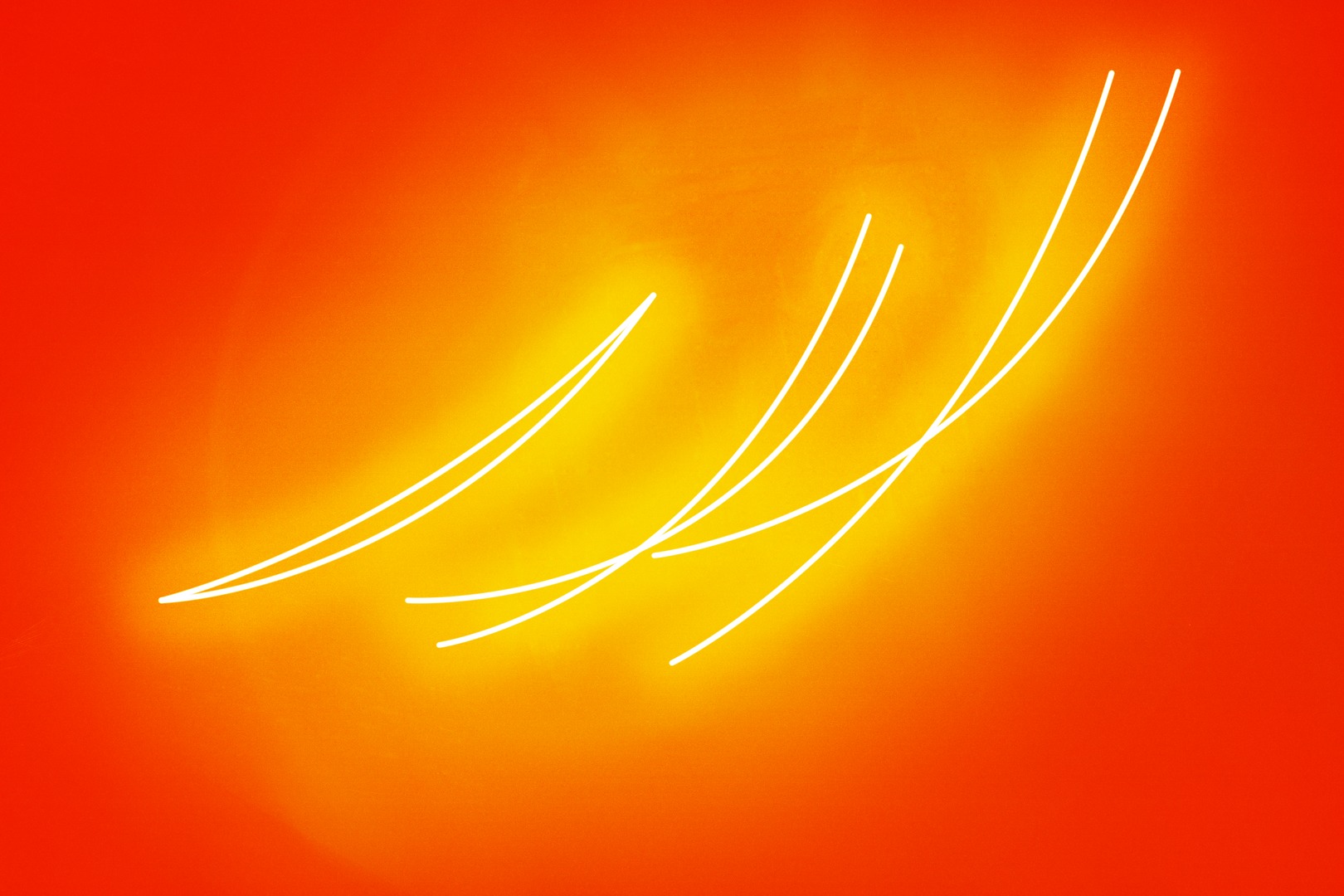
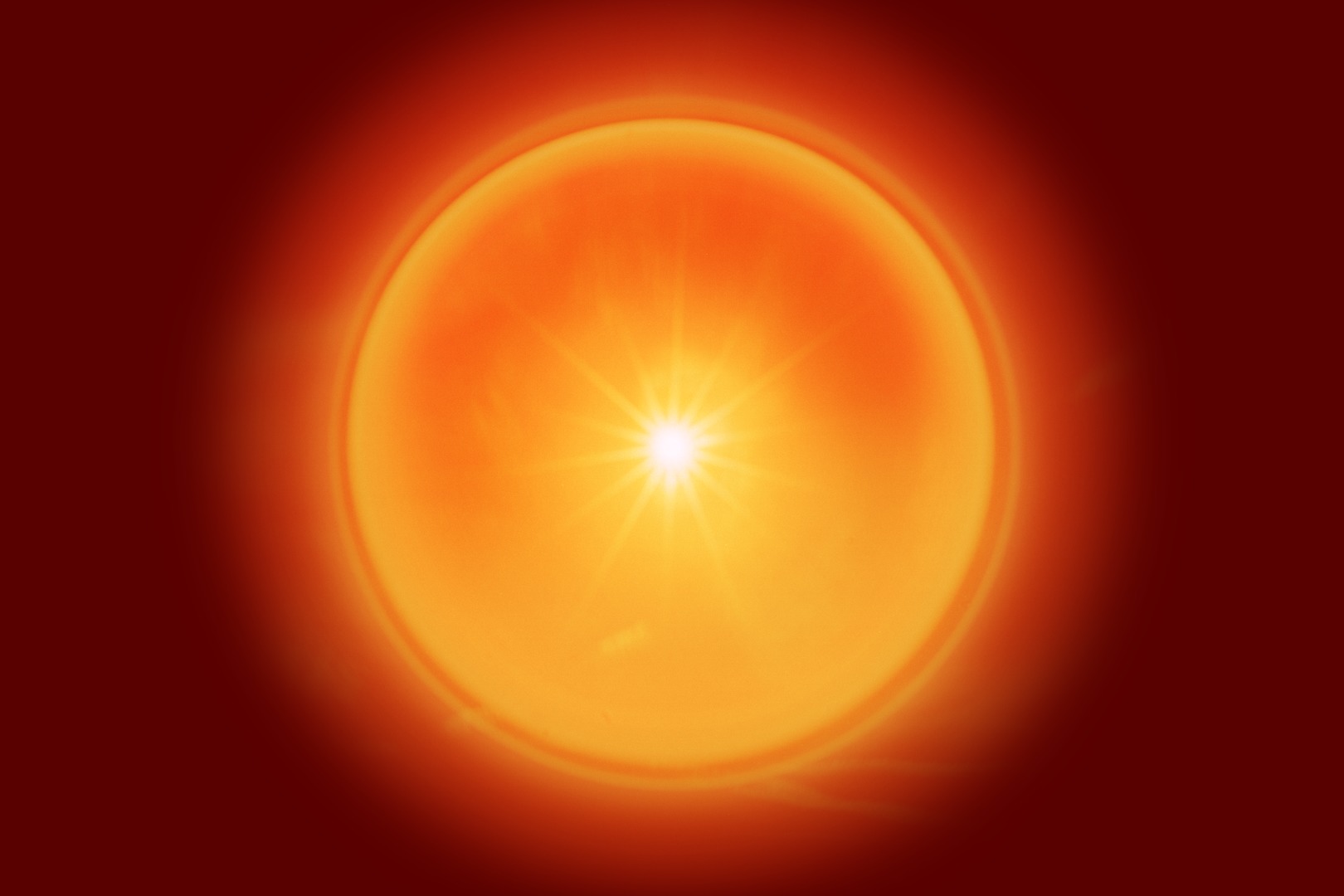
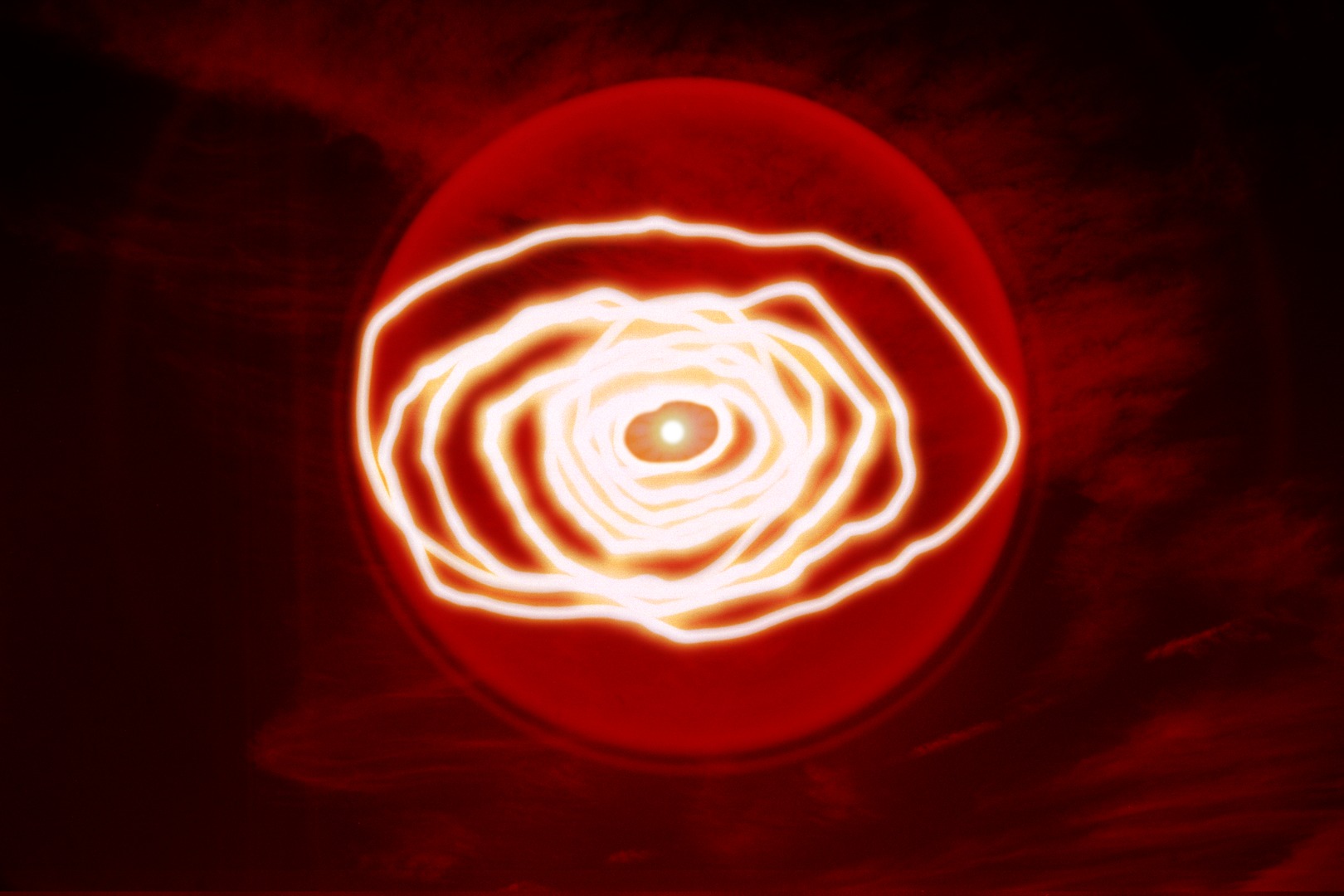
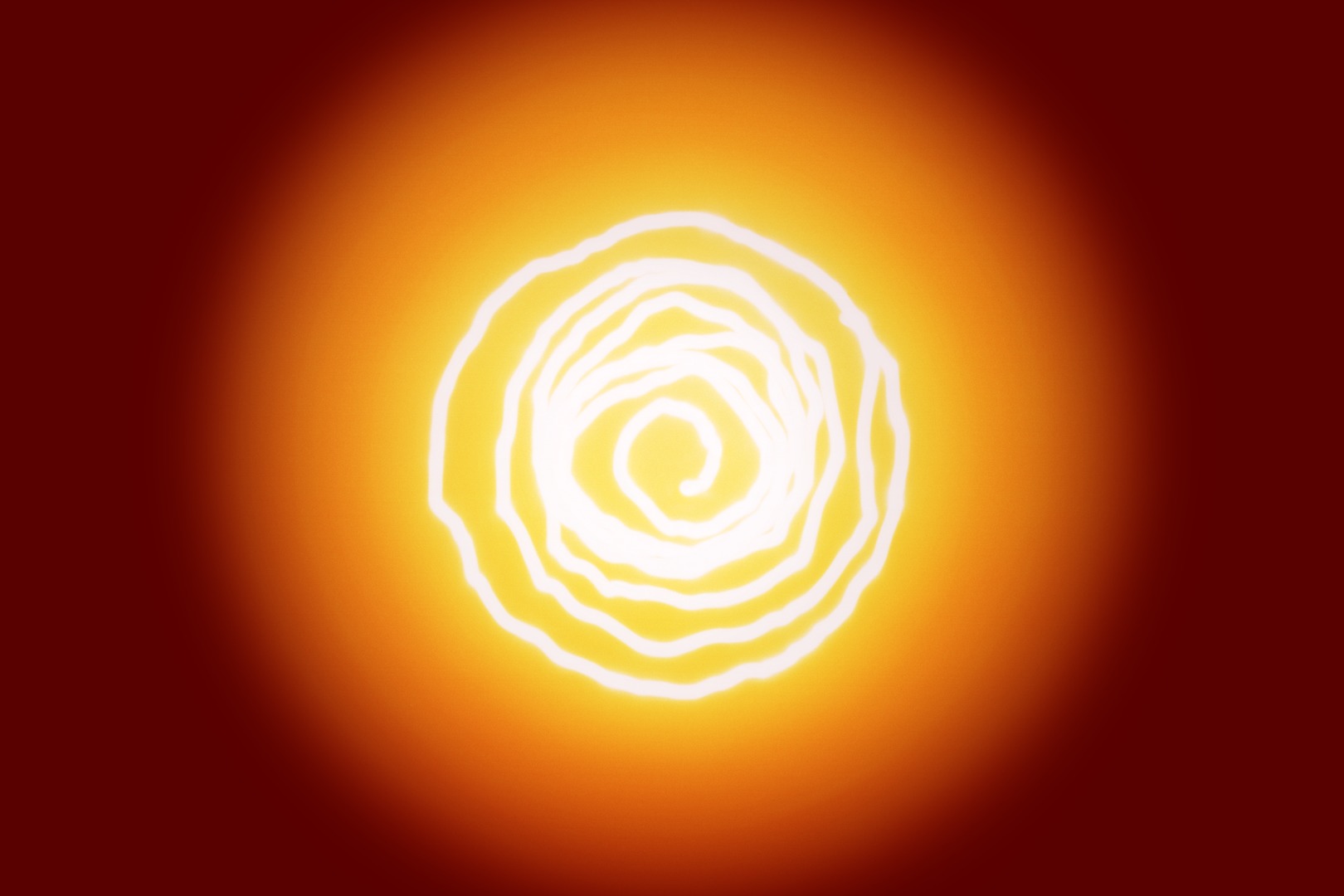
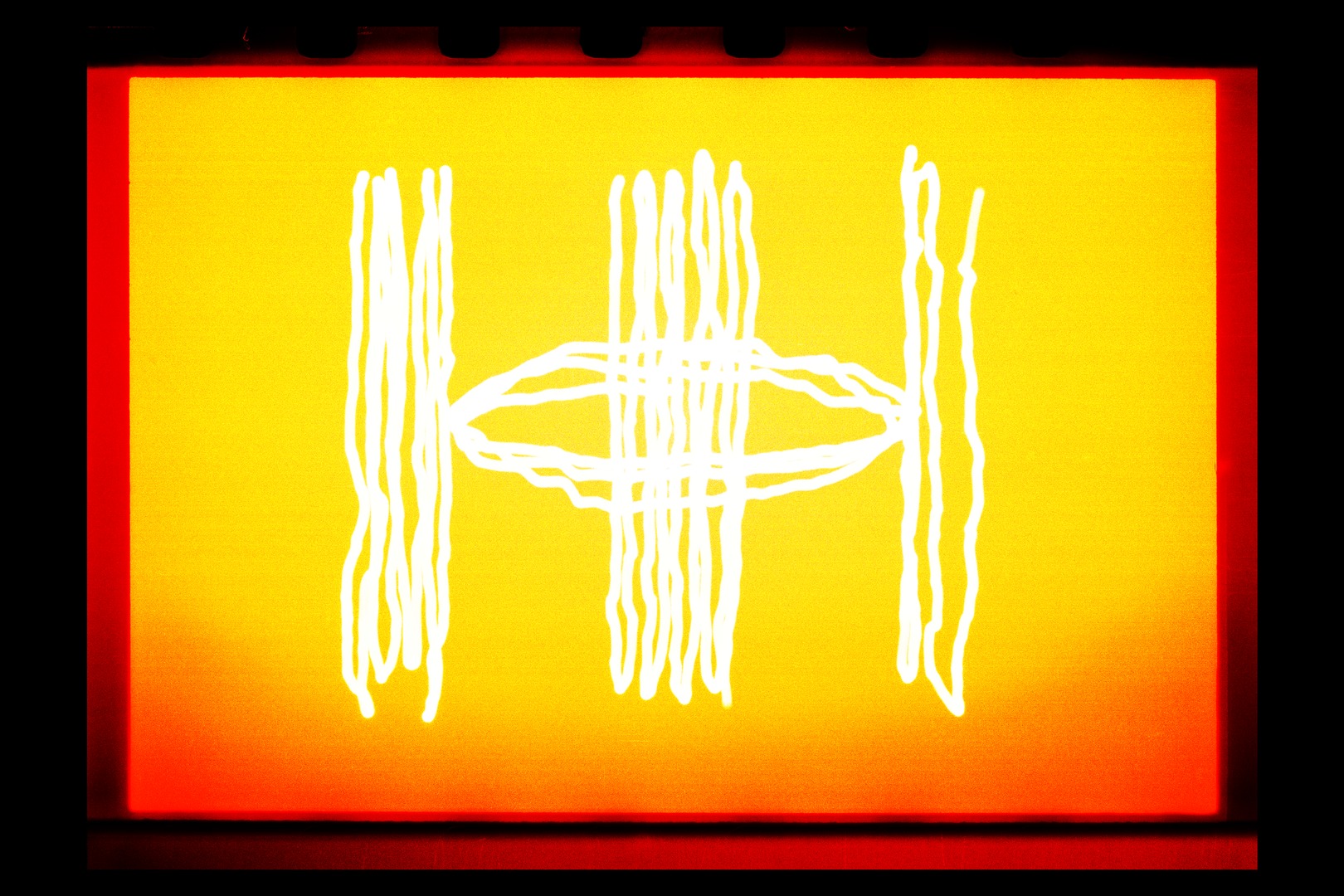
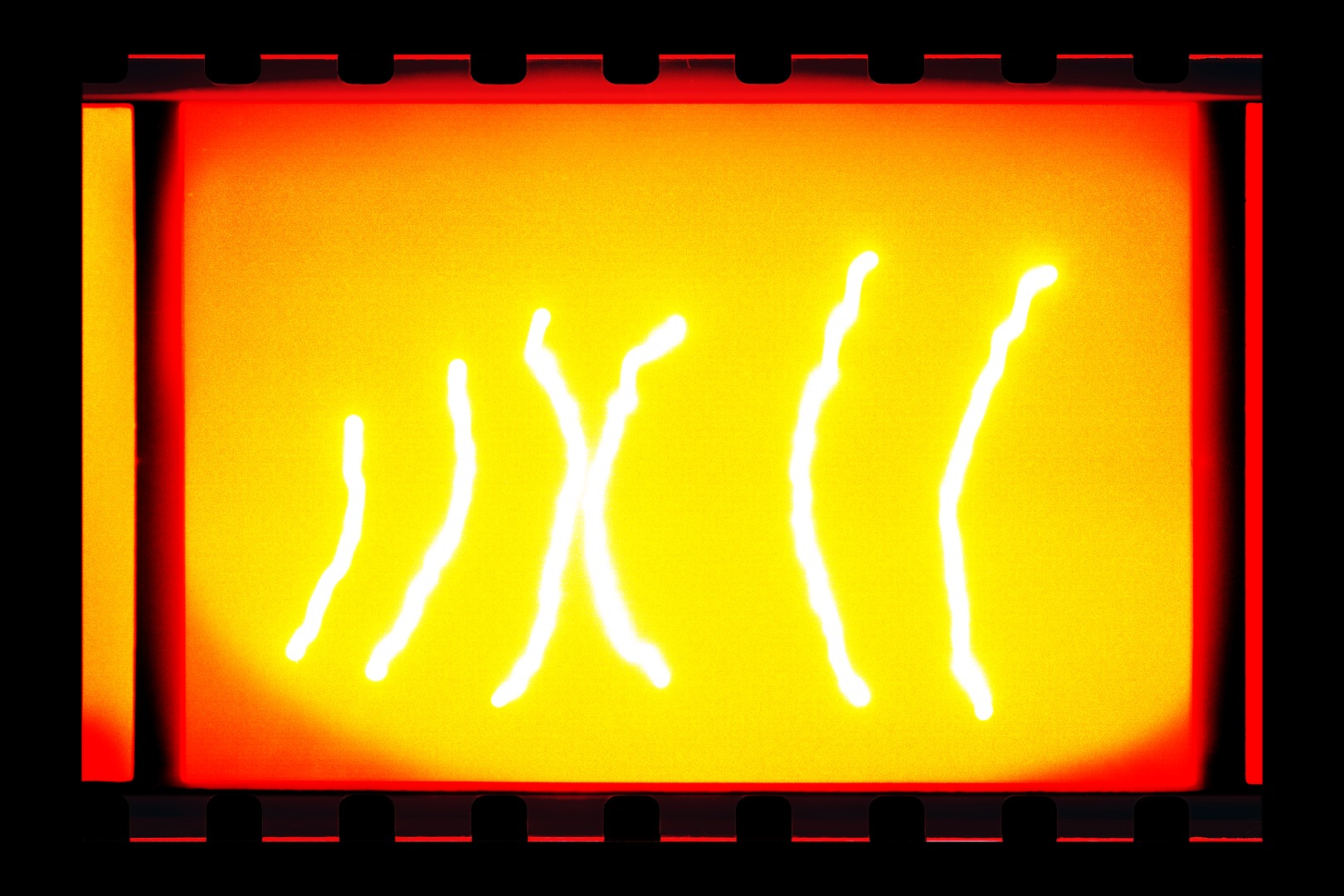
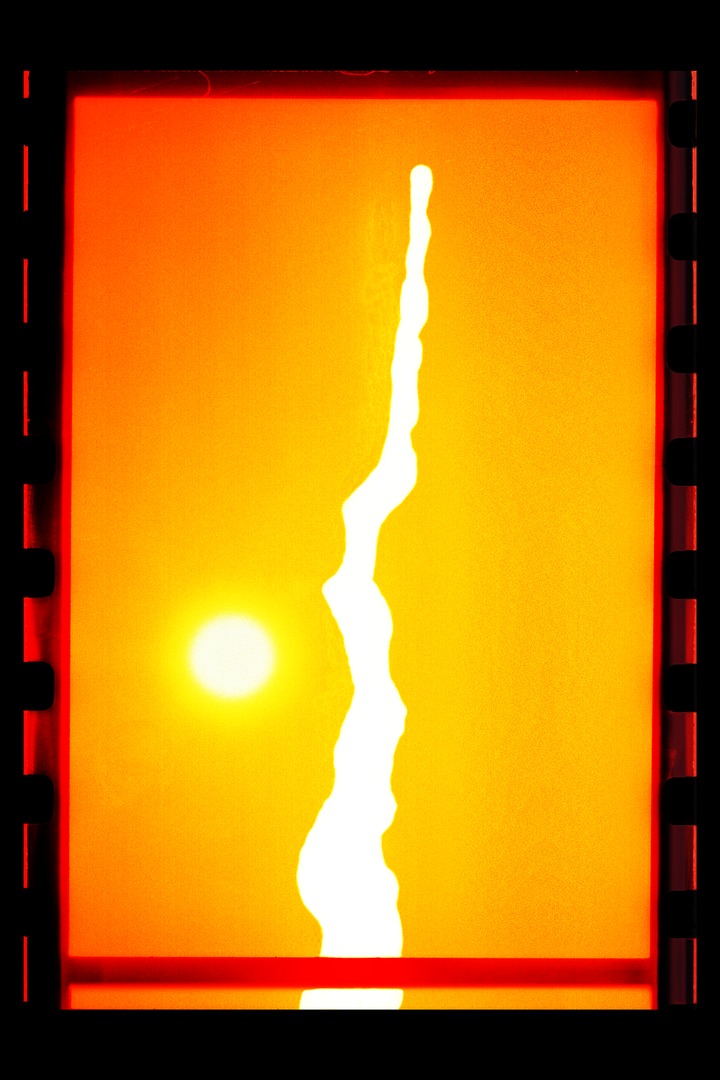
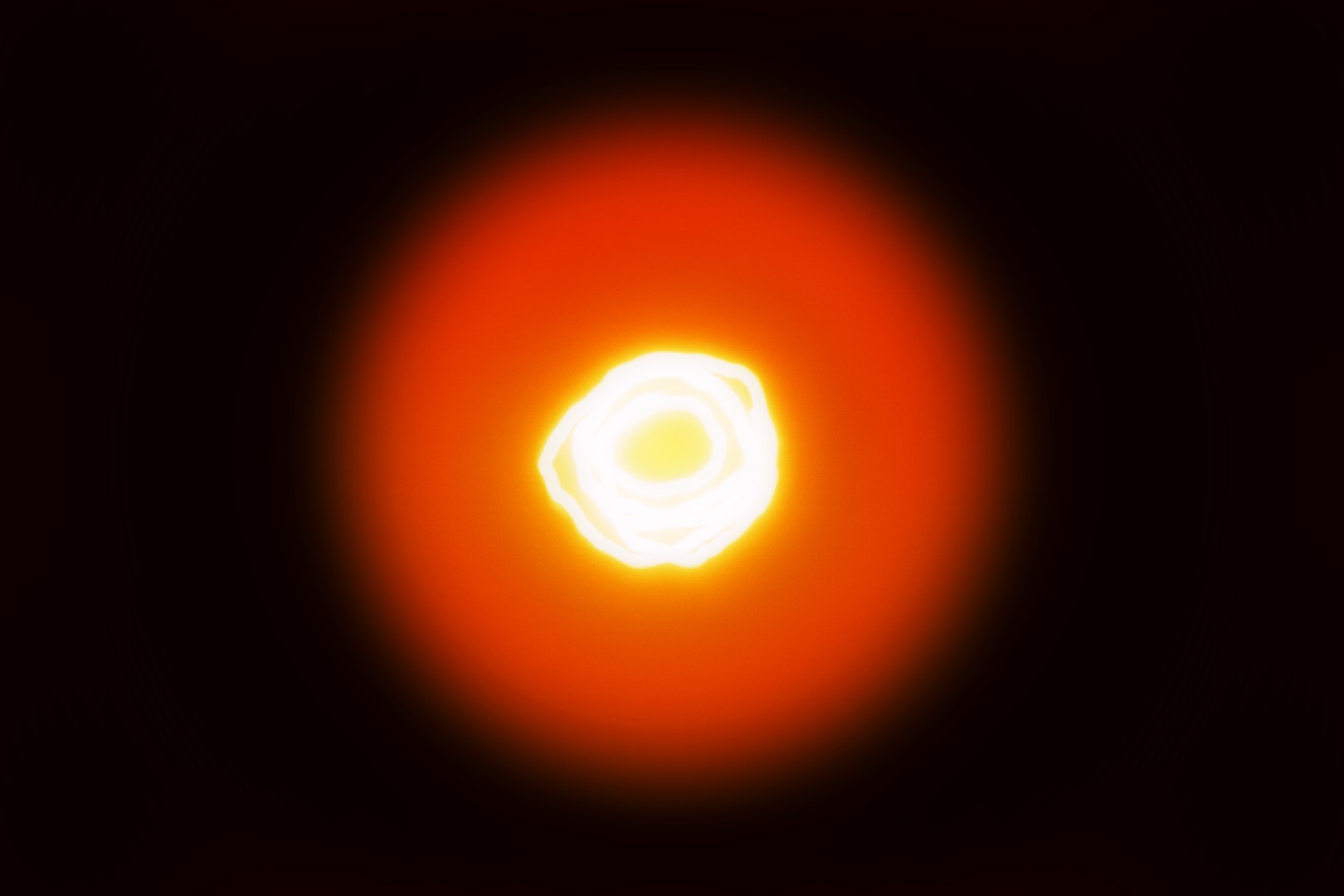
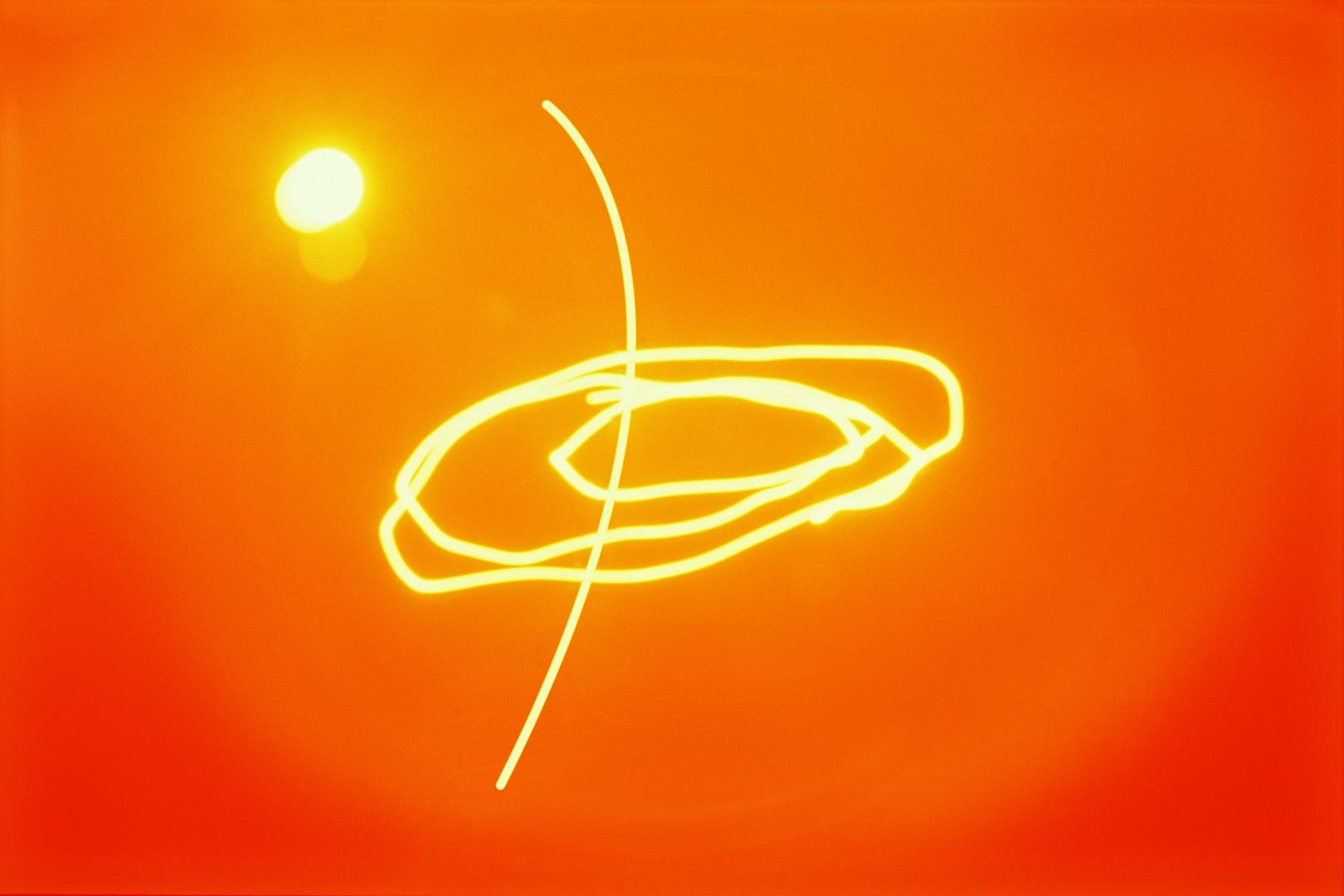
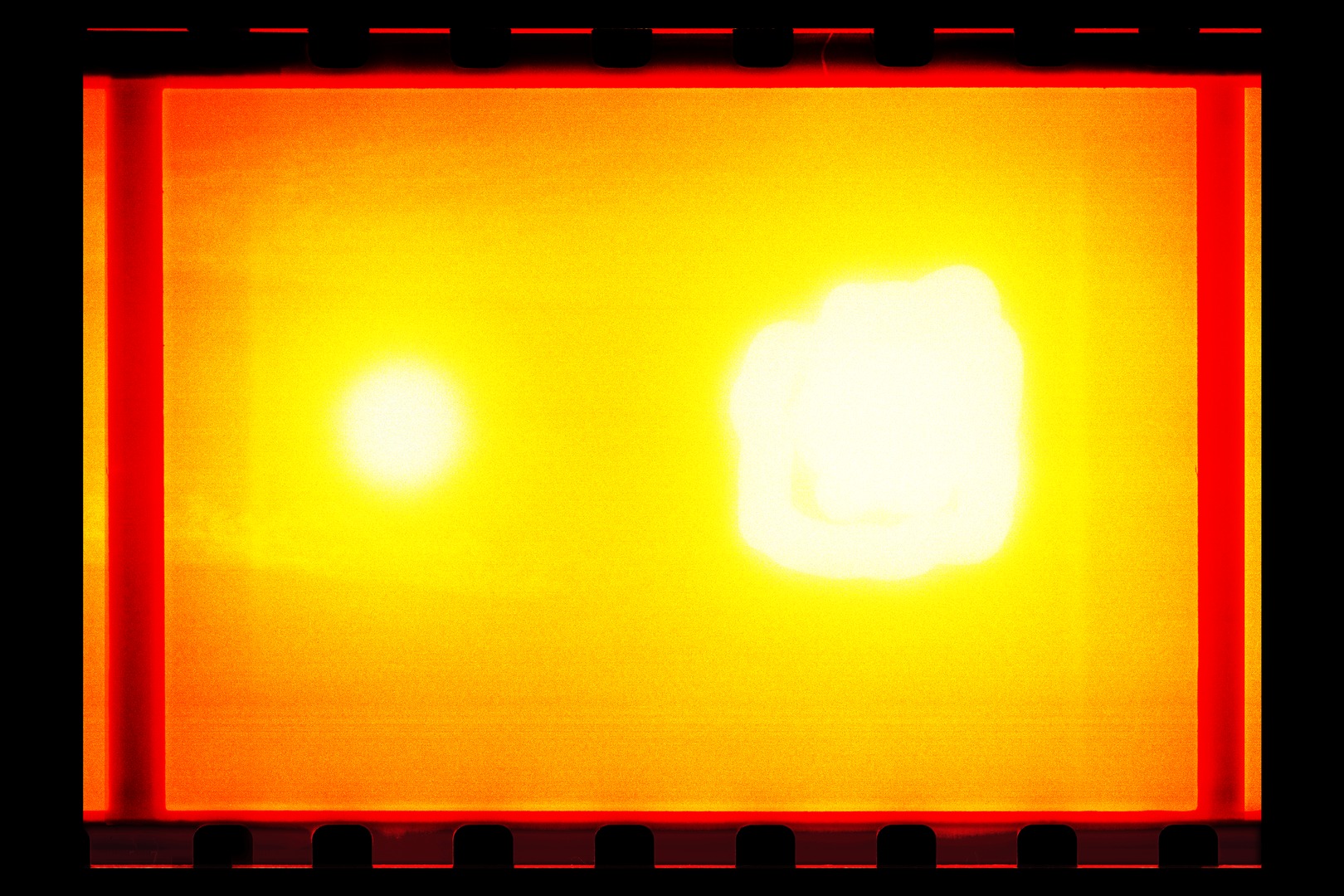
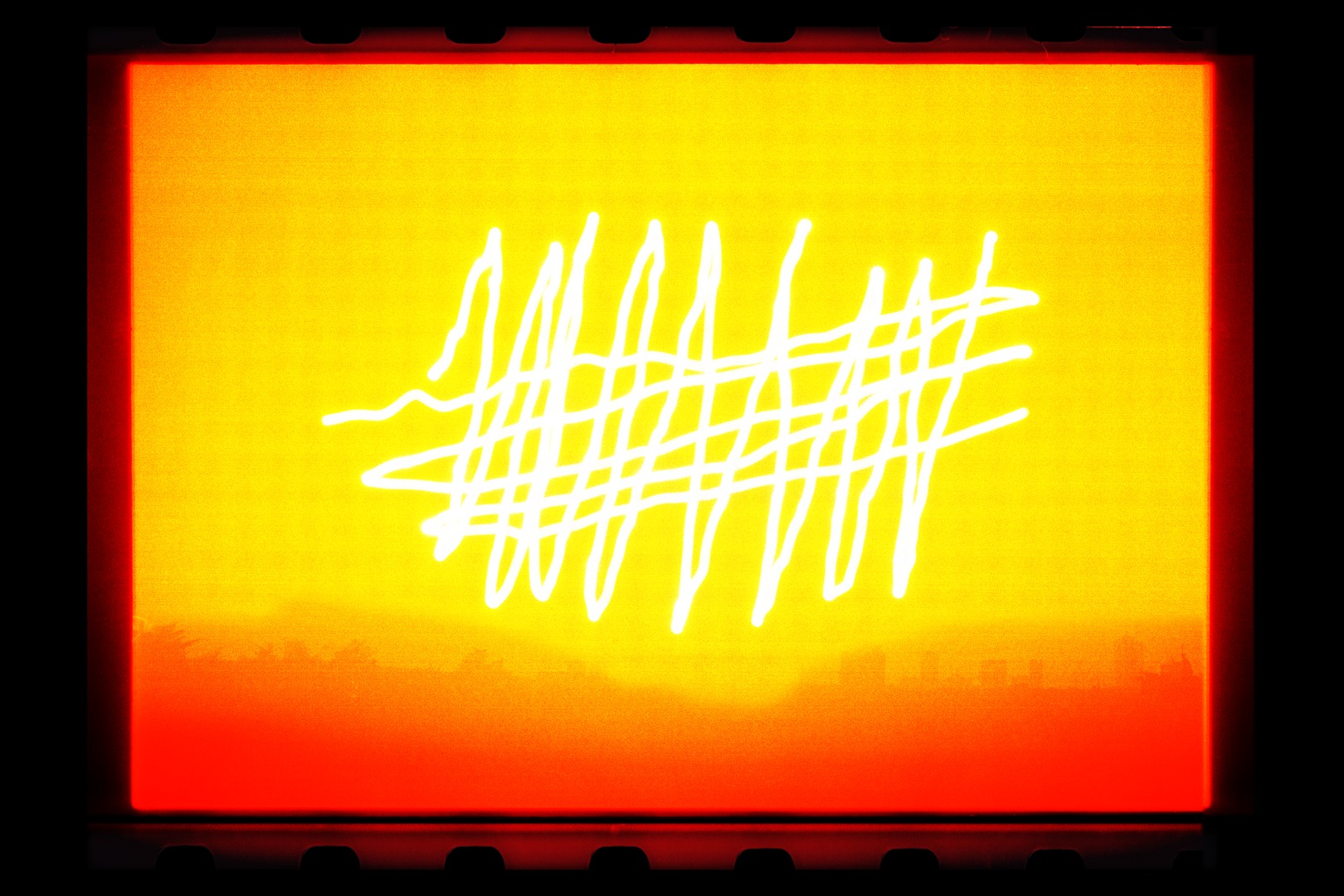
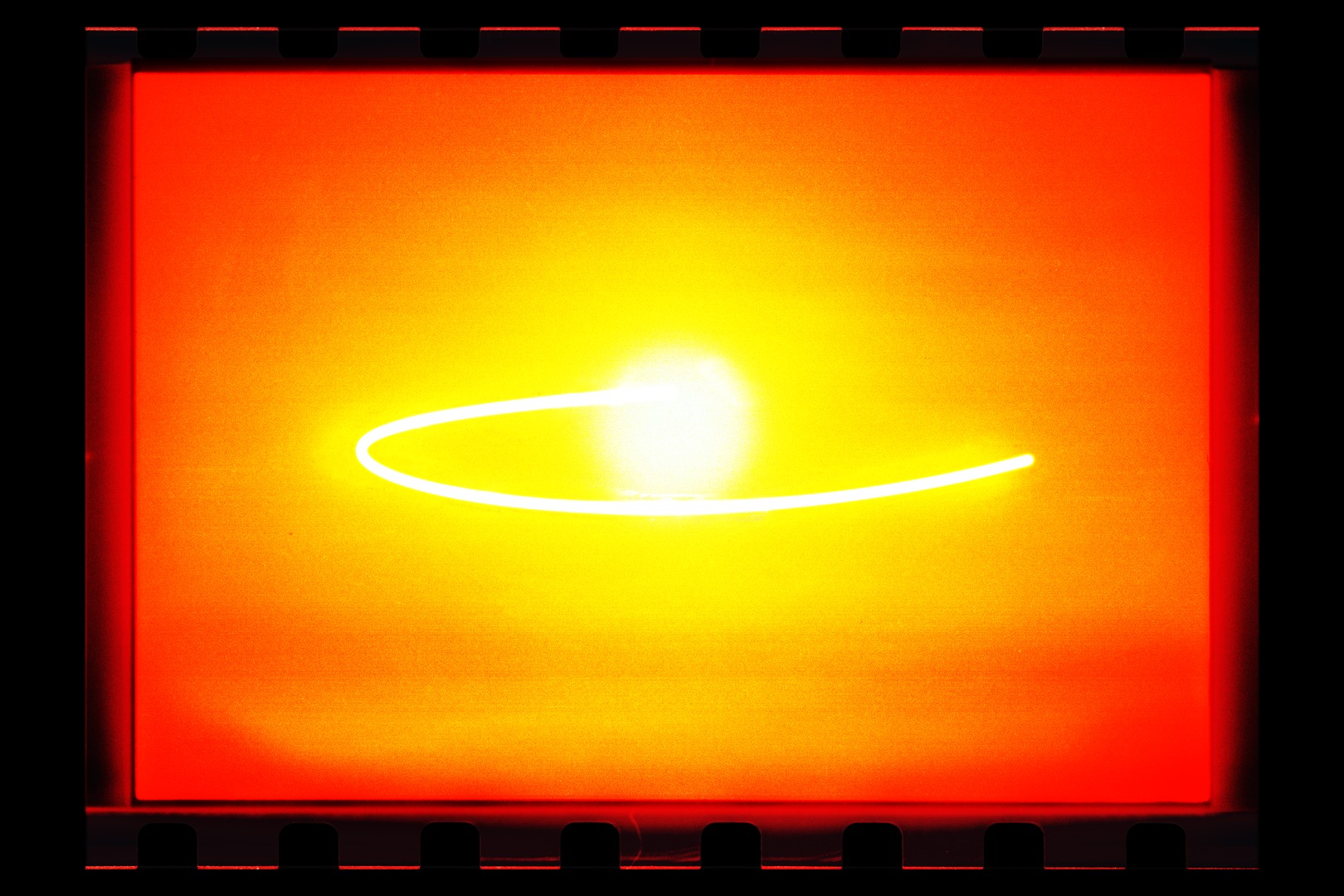
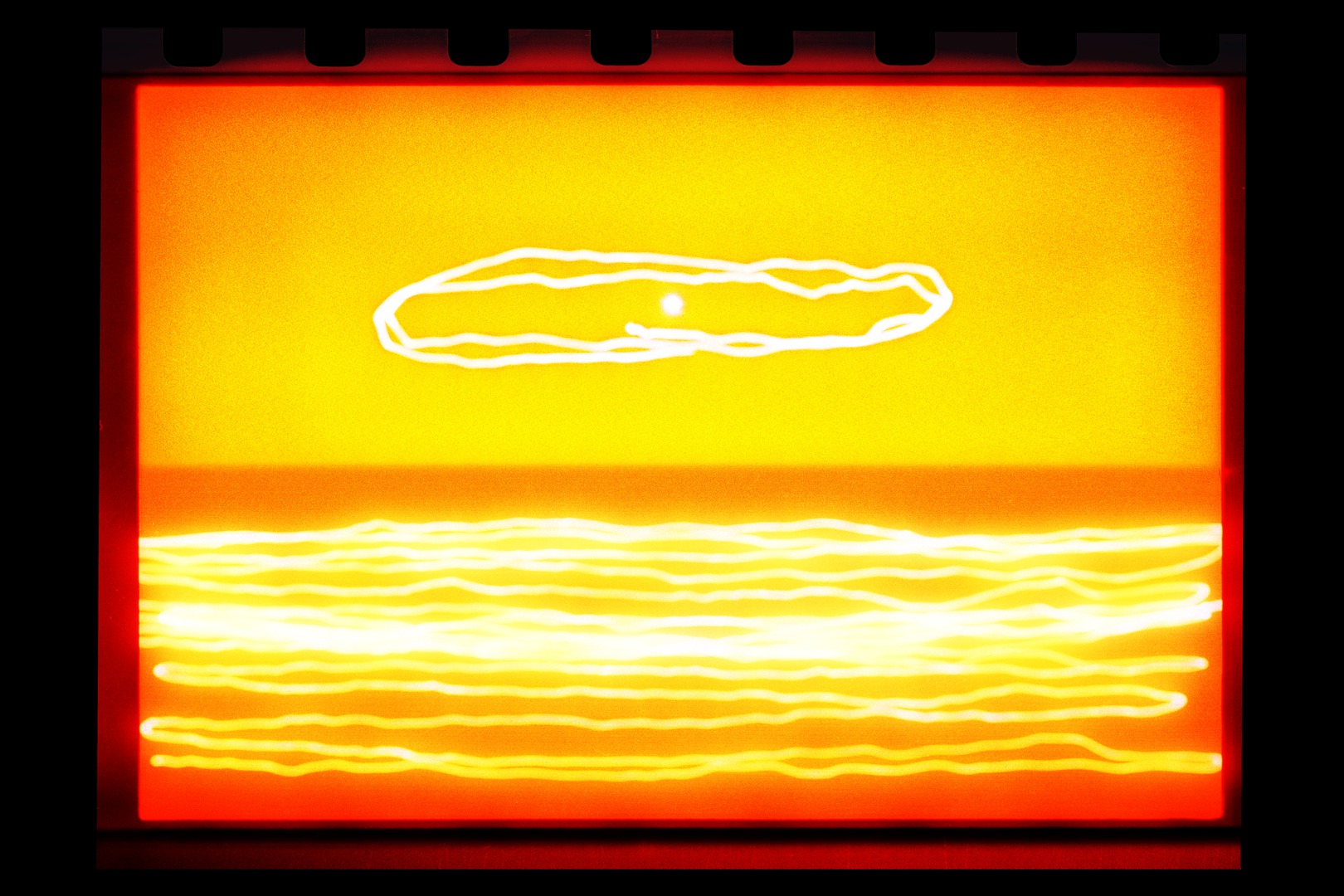
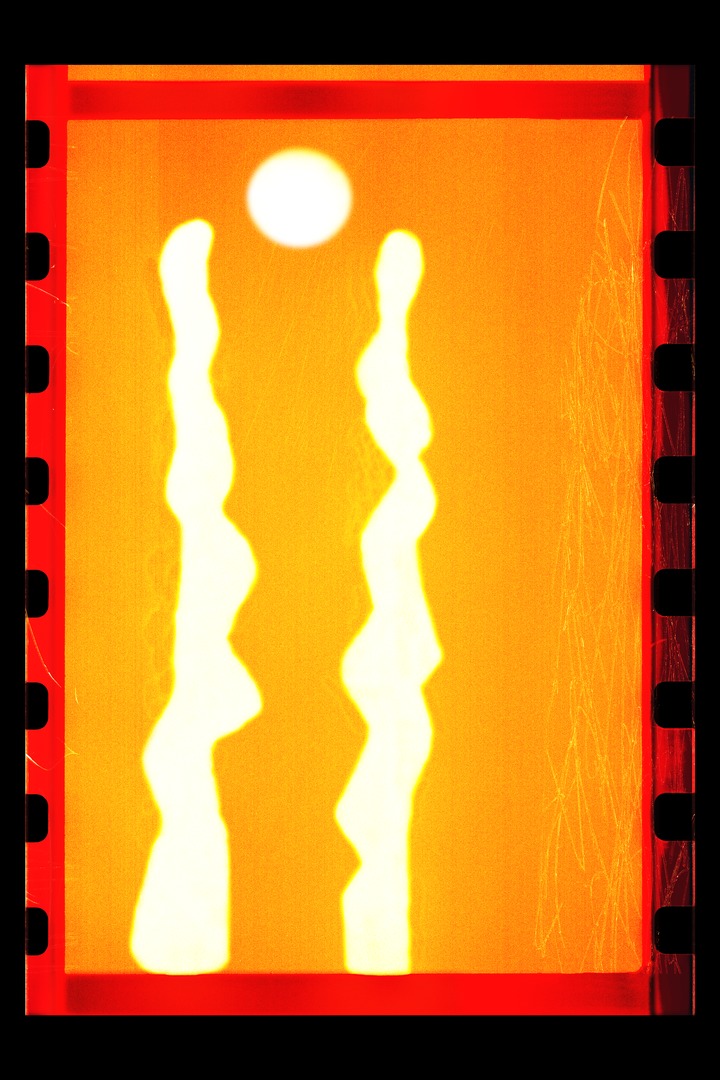
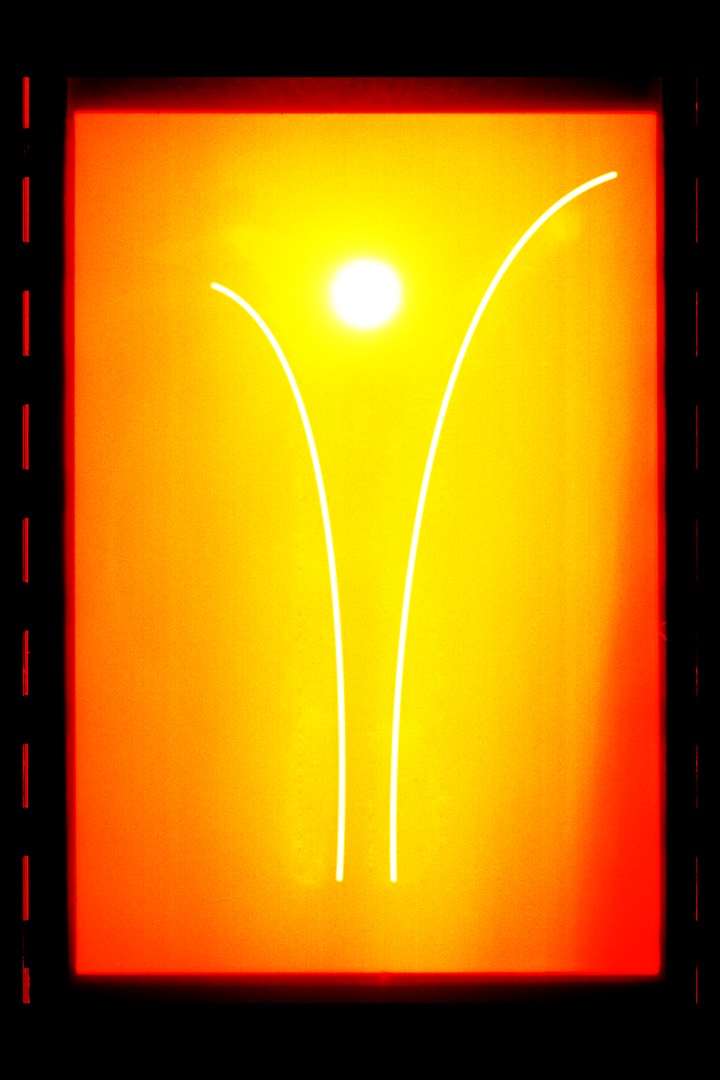
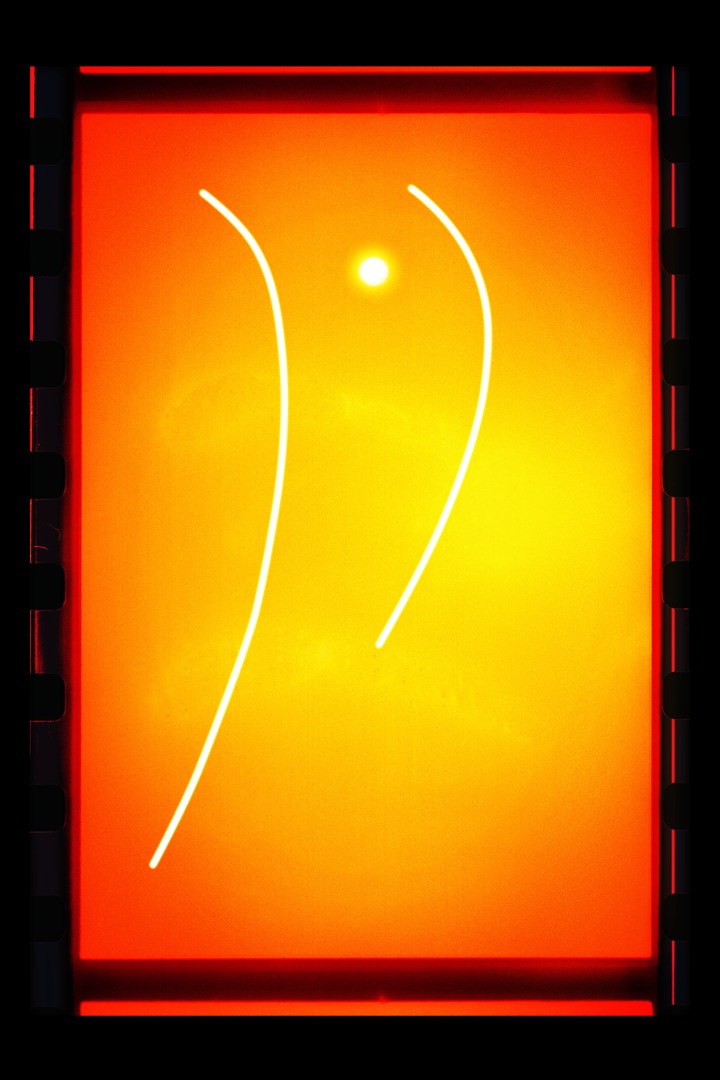
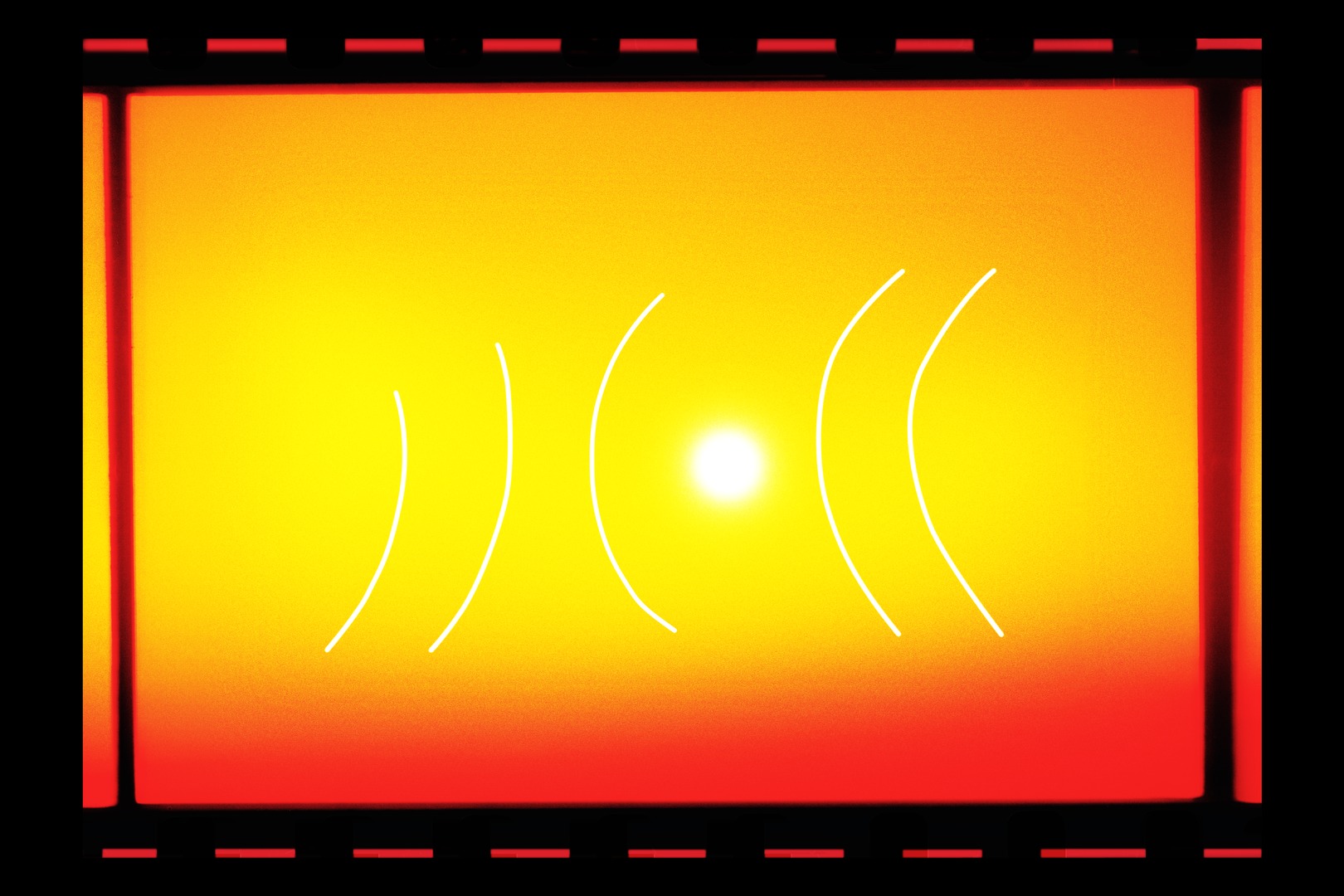
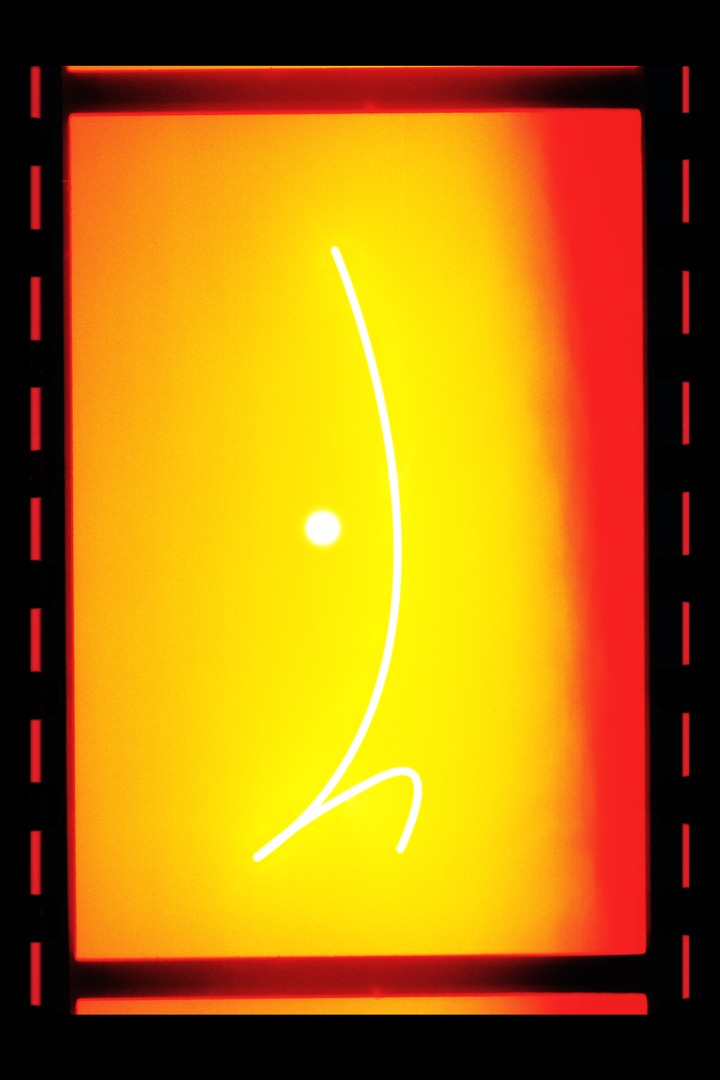
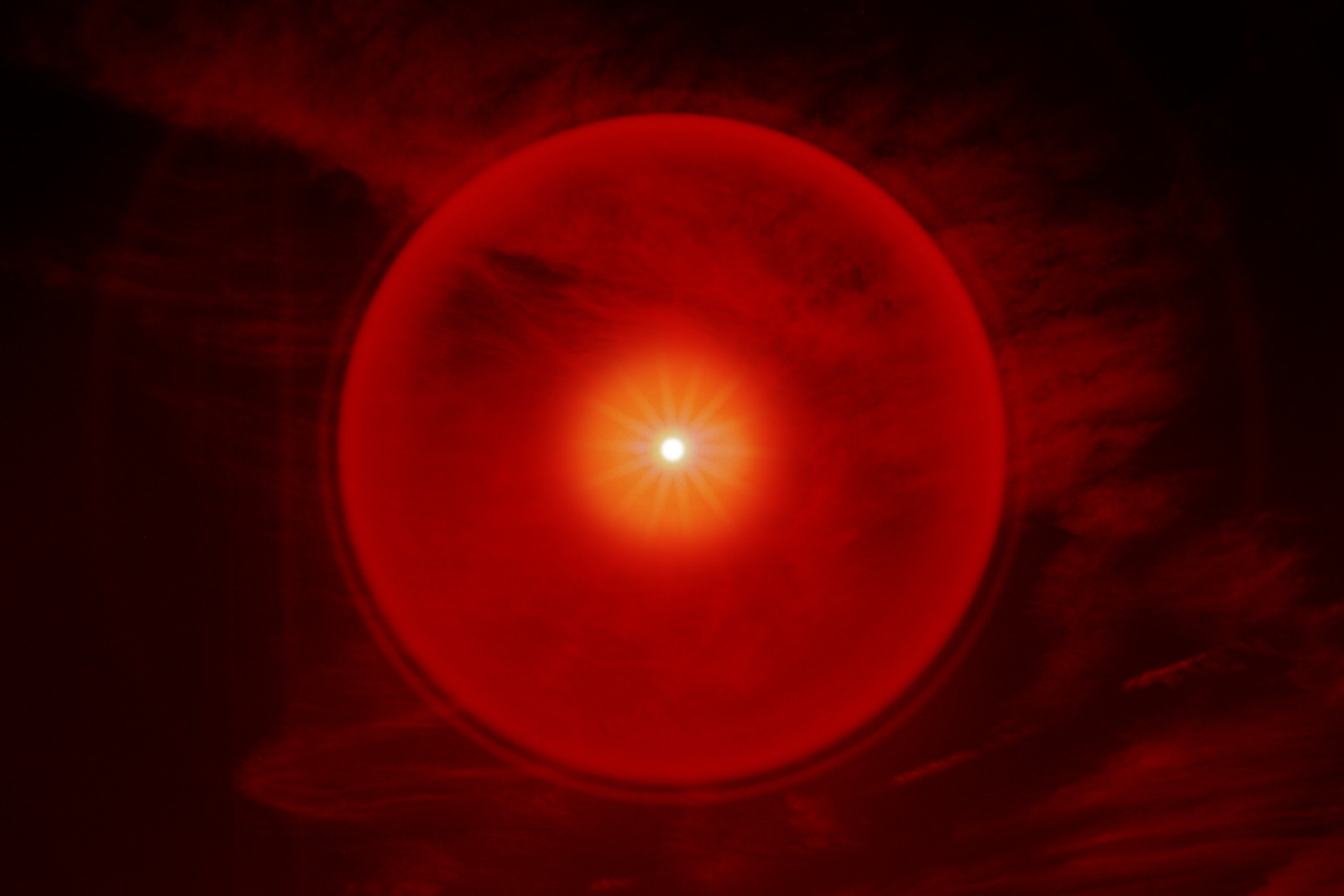
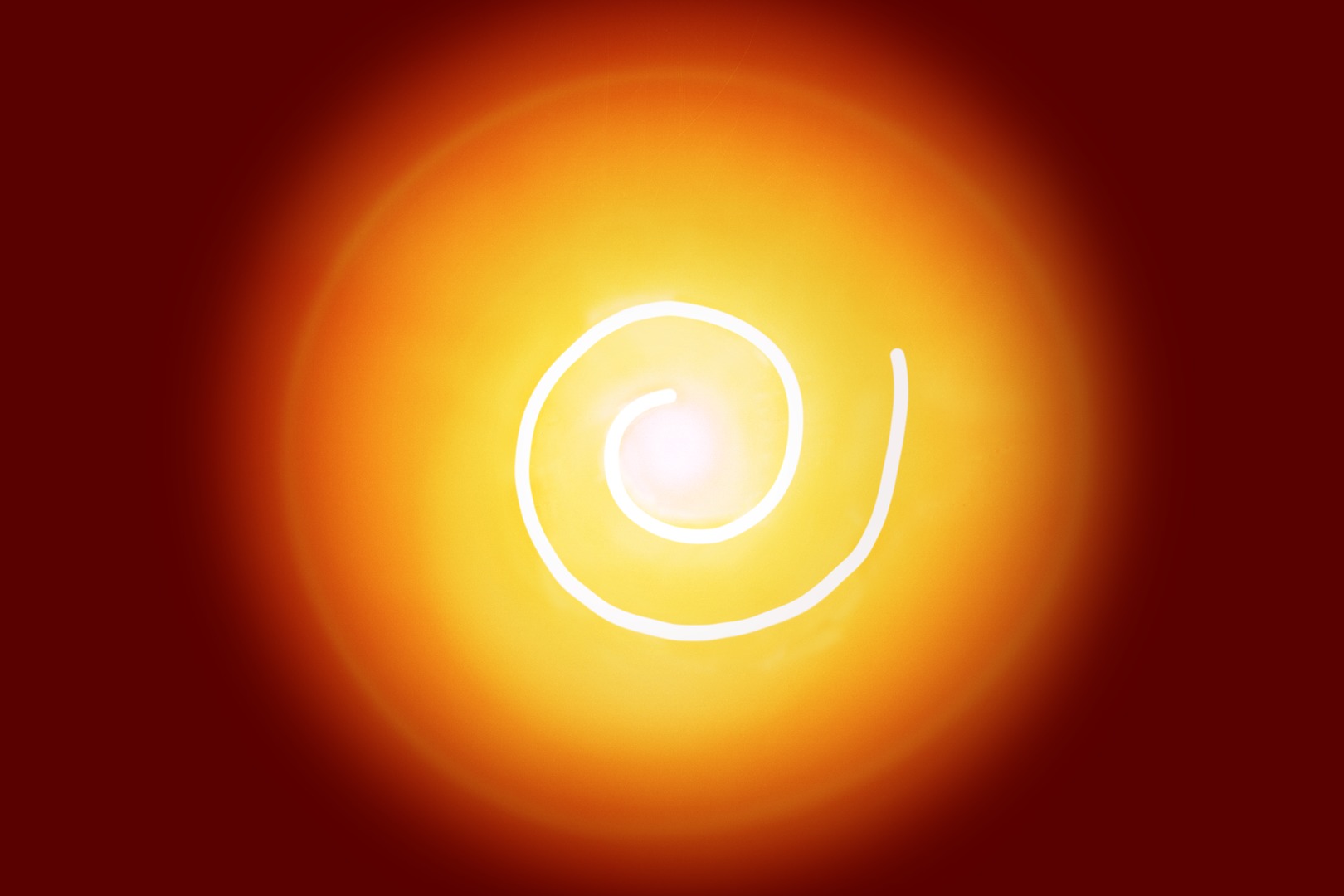
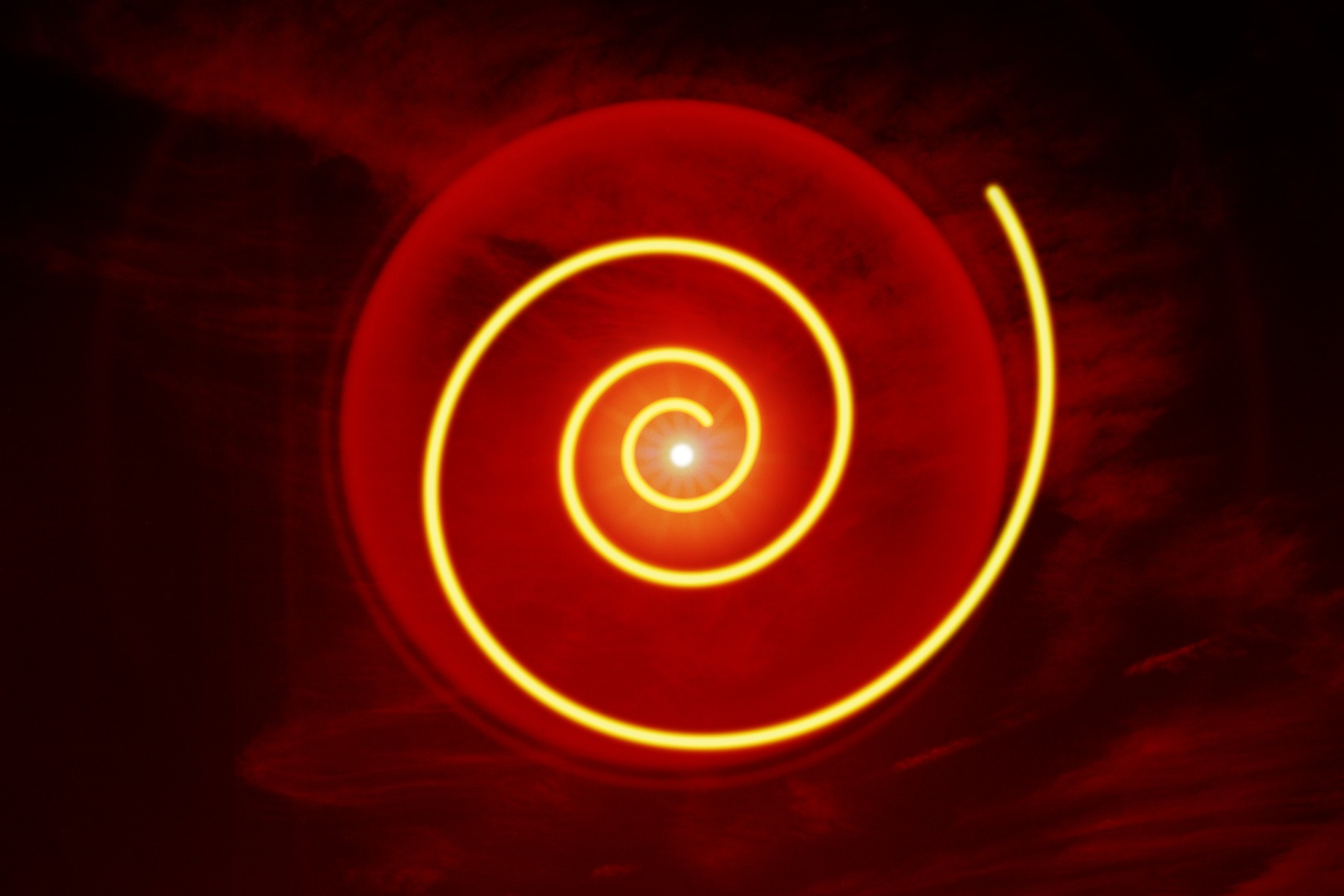
I have realised these photographic works using the sun as a paintbrush, moving the camera so that it was the Sun itself which traced some lines like a white pencil.. Why the sky, the sun? My father was an astronomy student and I am attracted by it: celestial bodies, nebulare, comet trains are all parts of my youth.
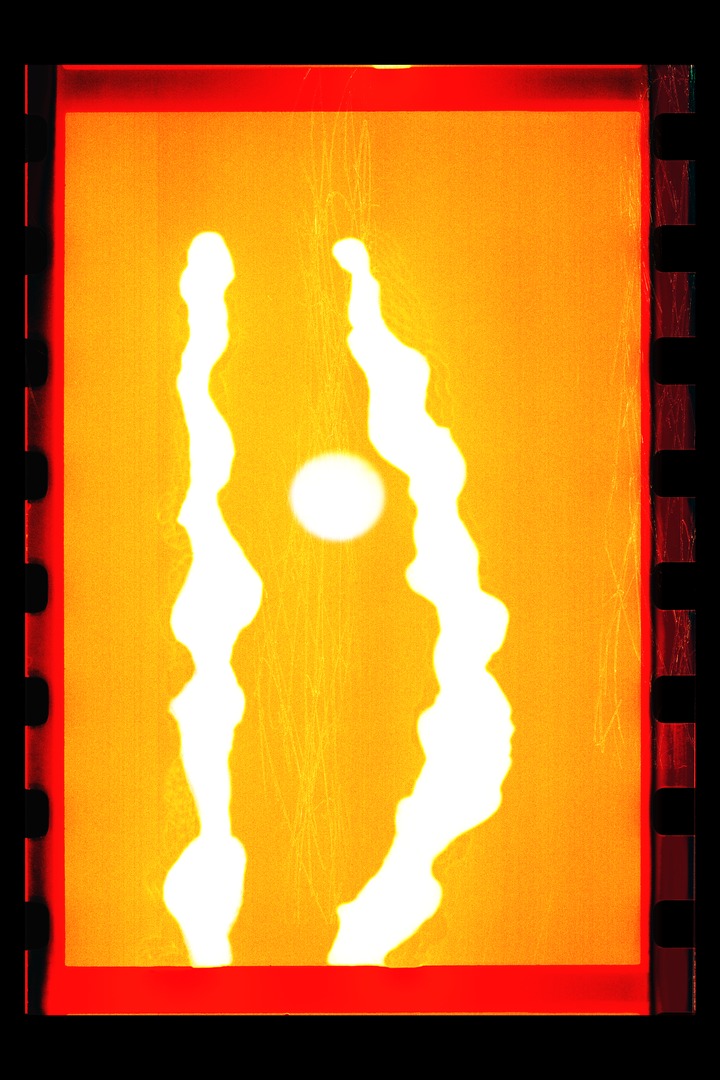
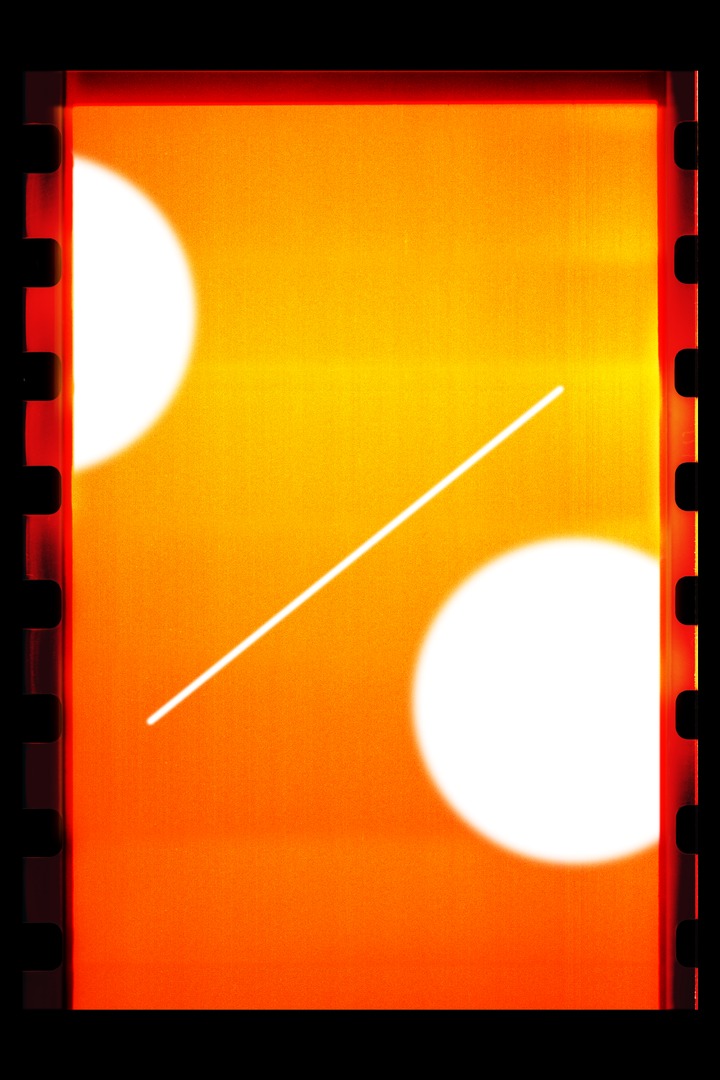
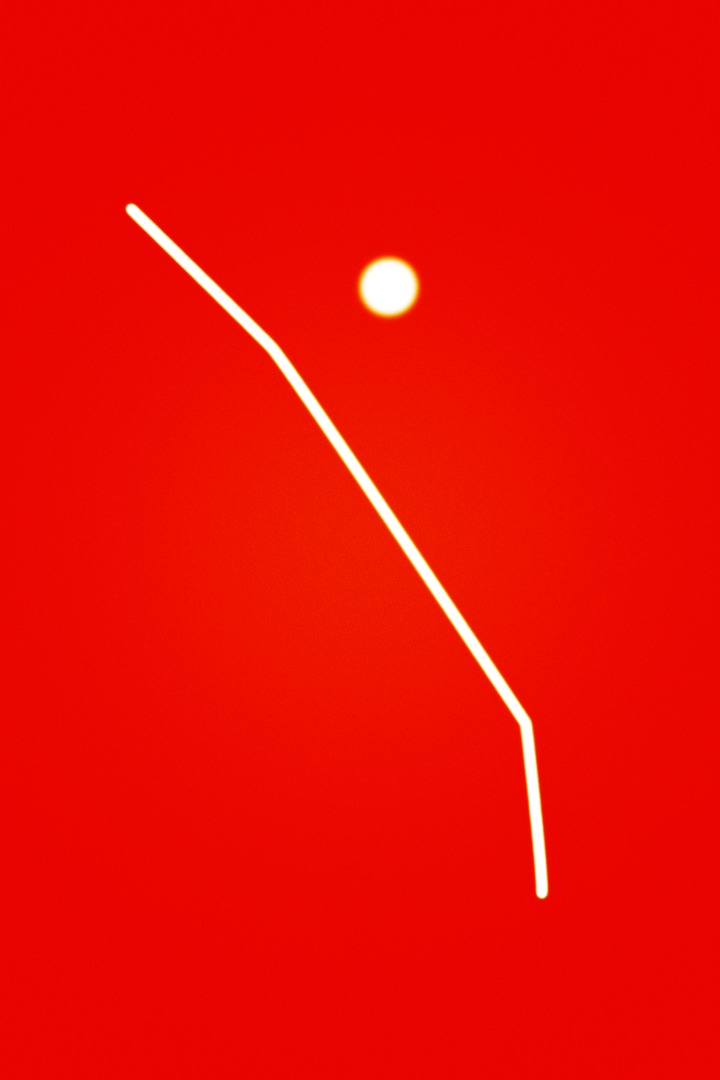
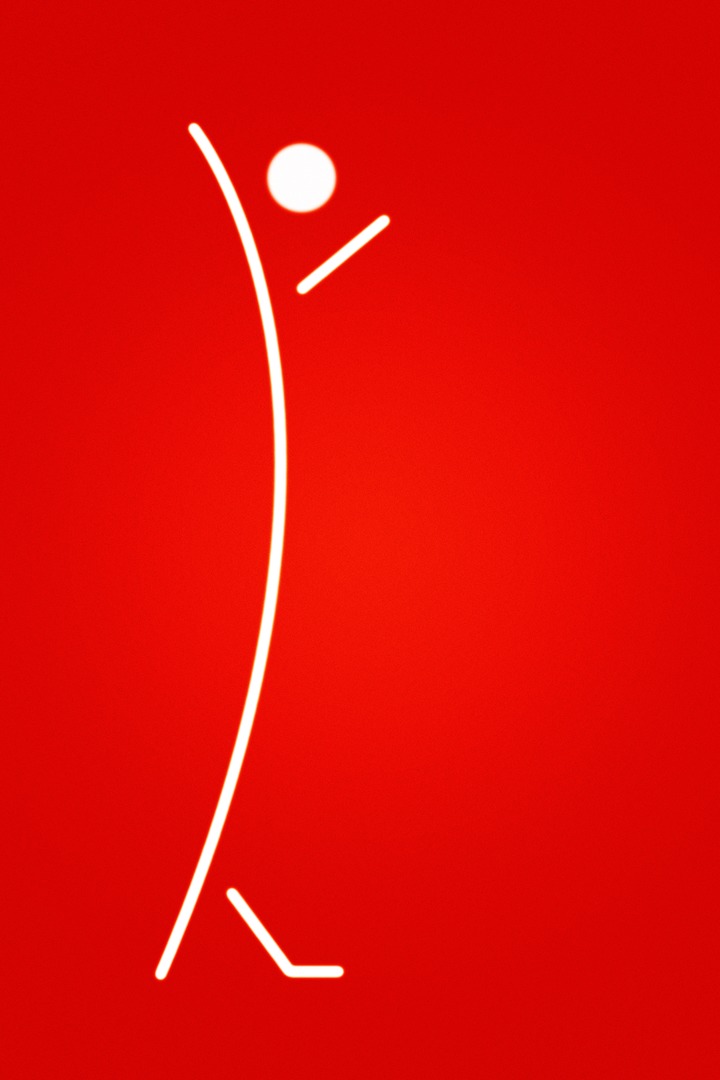
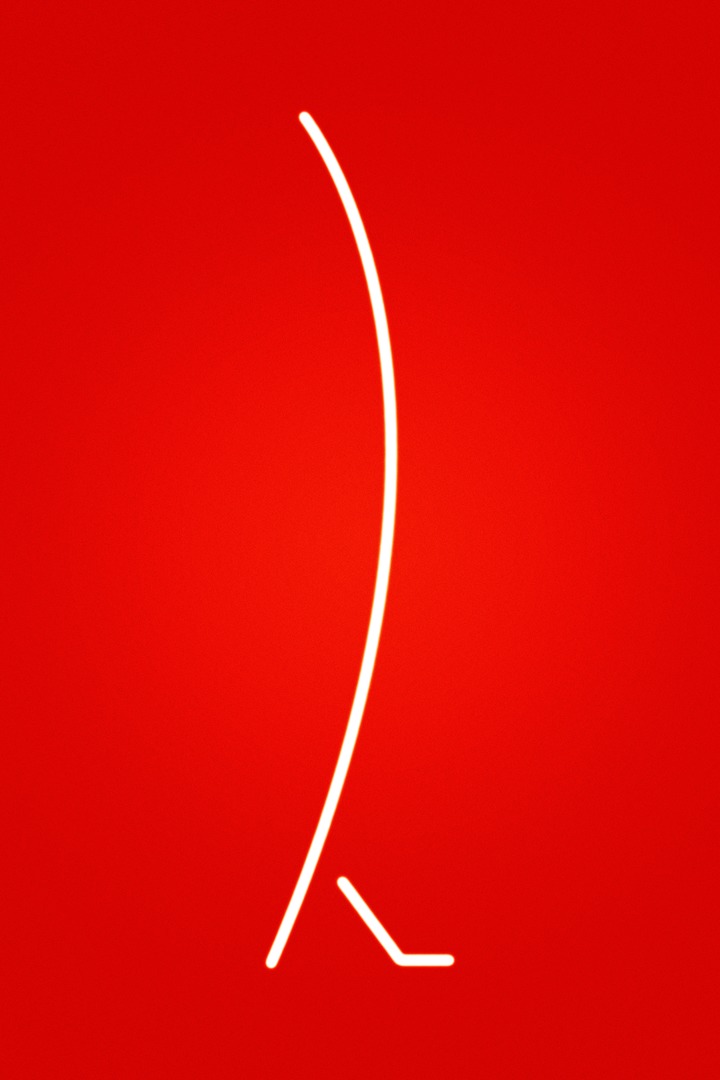
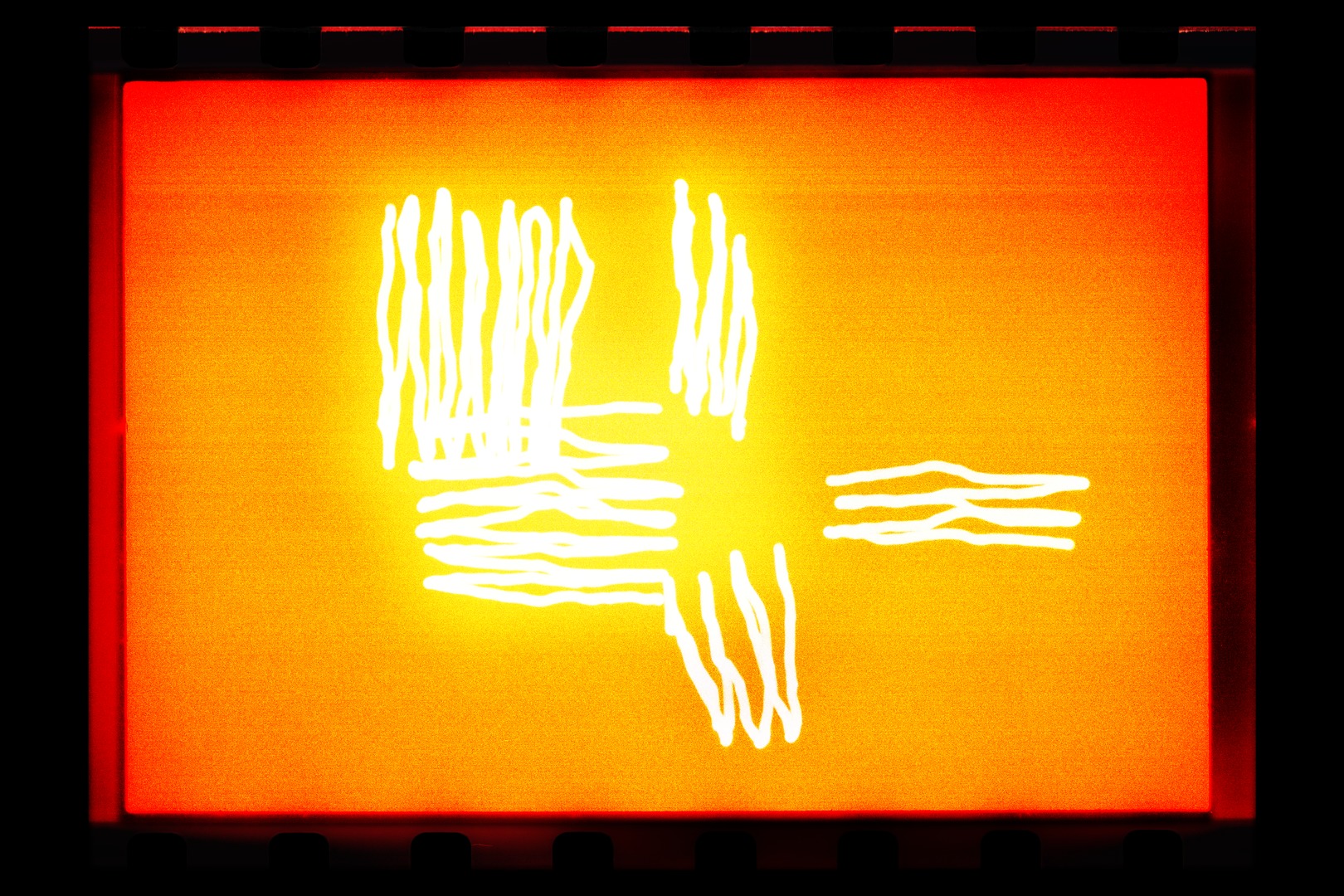
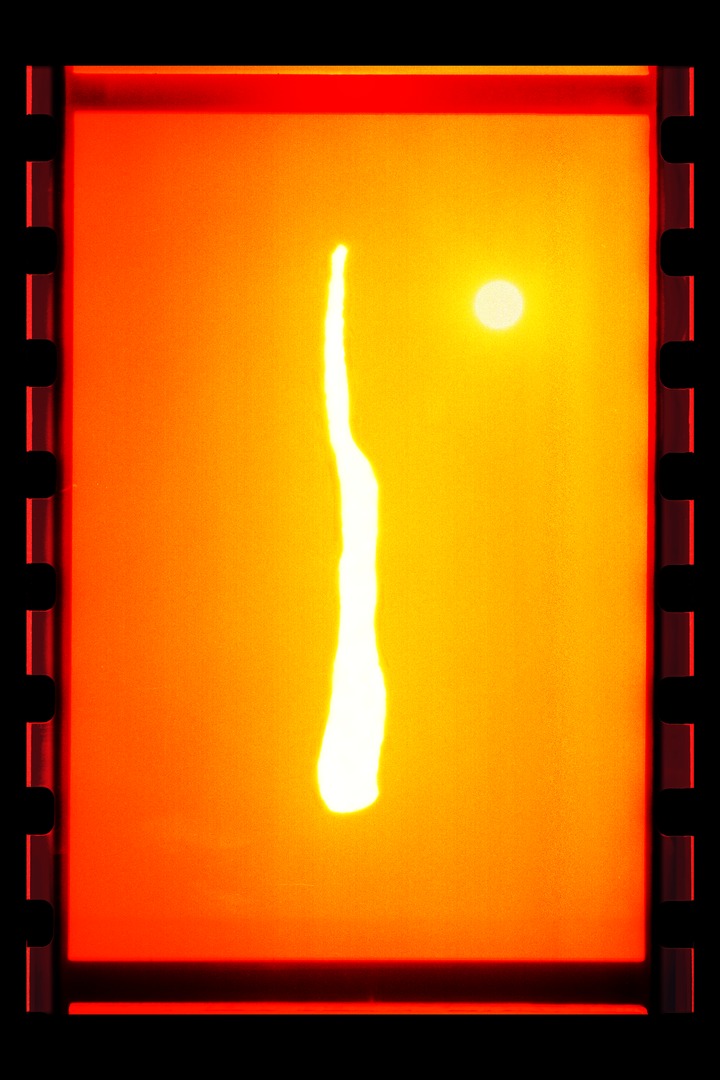
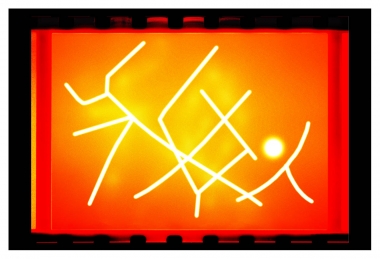
Among the solar trails, the luminous ones come from the study on “transmission of light”, while the non-bright ones, in a uniform red background, come from the study on the “sign”. The shapes in a uniform red background are structural elements always familiar to me, “signs” I feel the urgency to express. I often see these lines like the stylization of antropomorphic figures, using the solar disc as a head and the lines as its body or limbs. I have aimed to the strictest essentiality.
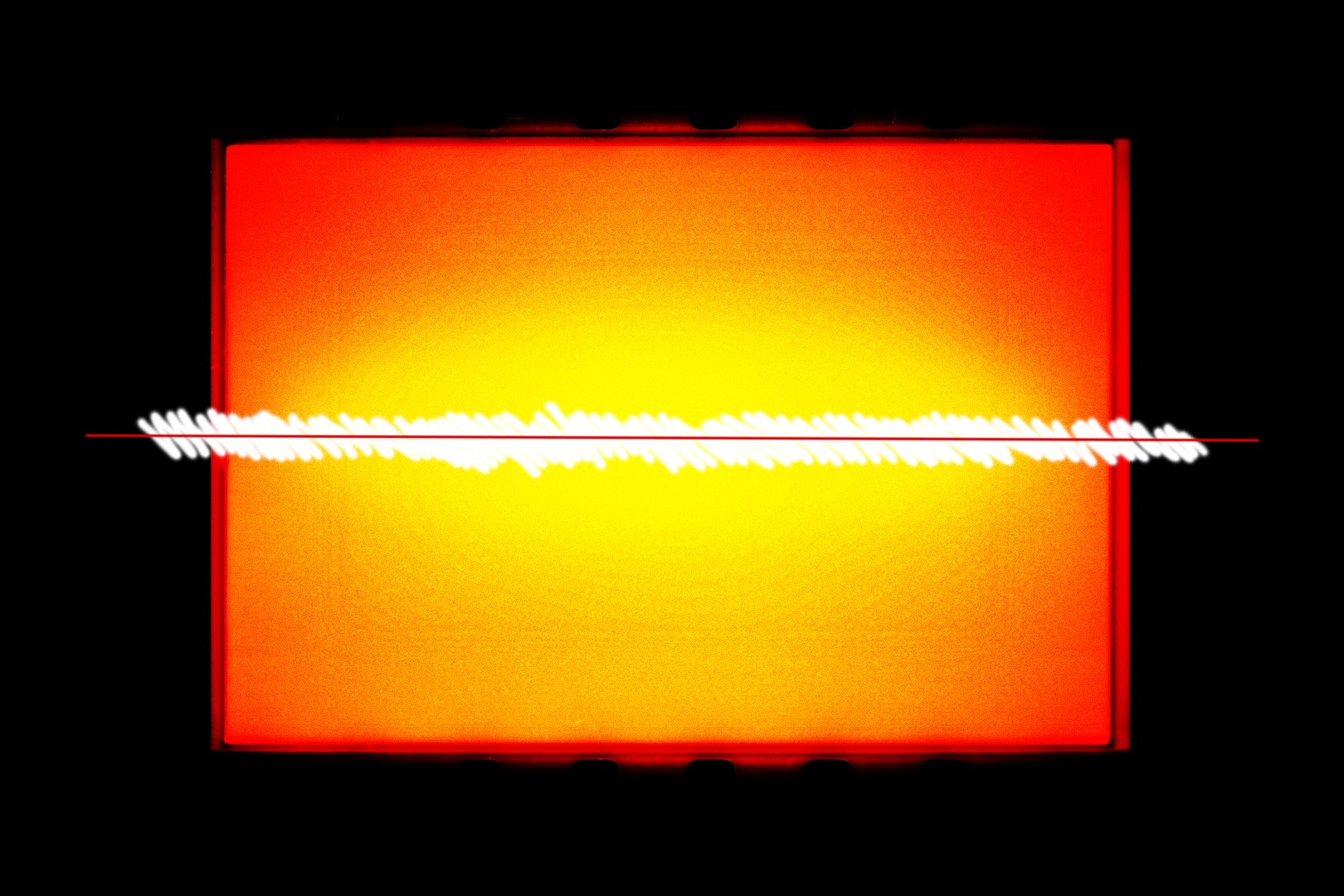
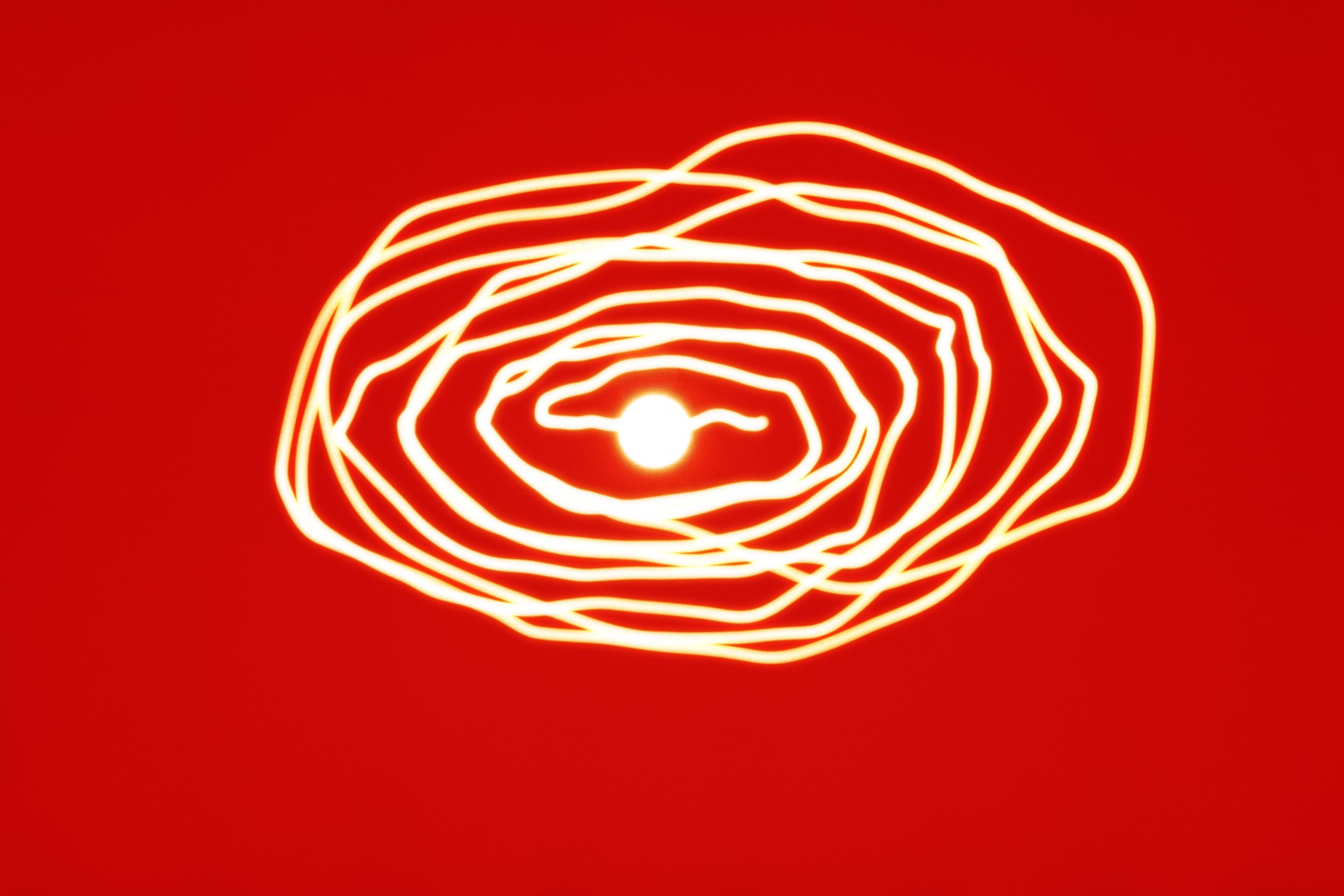
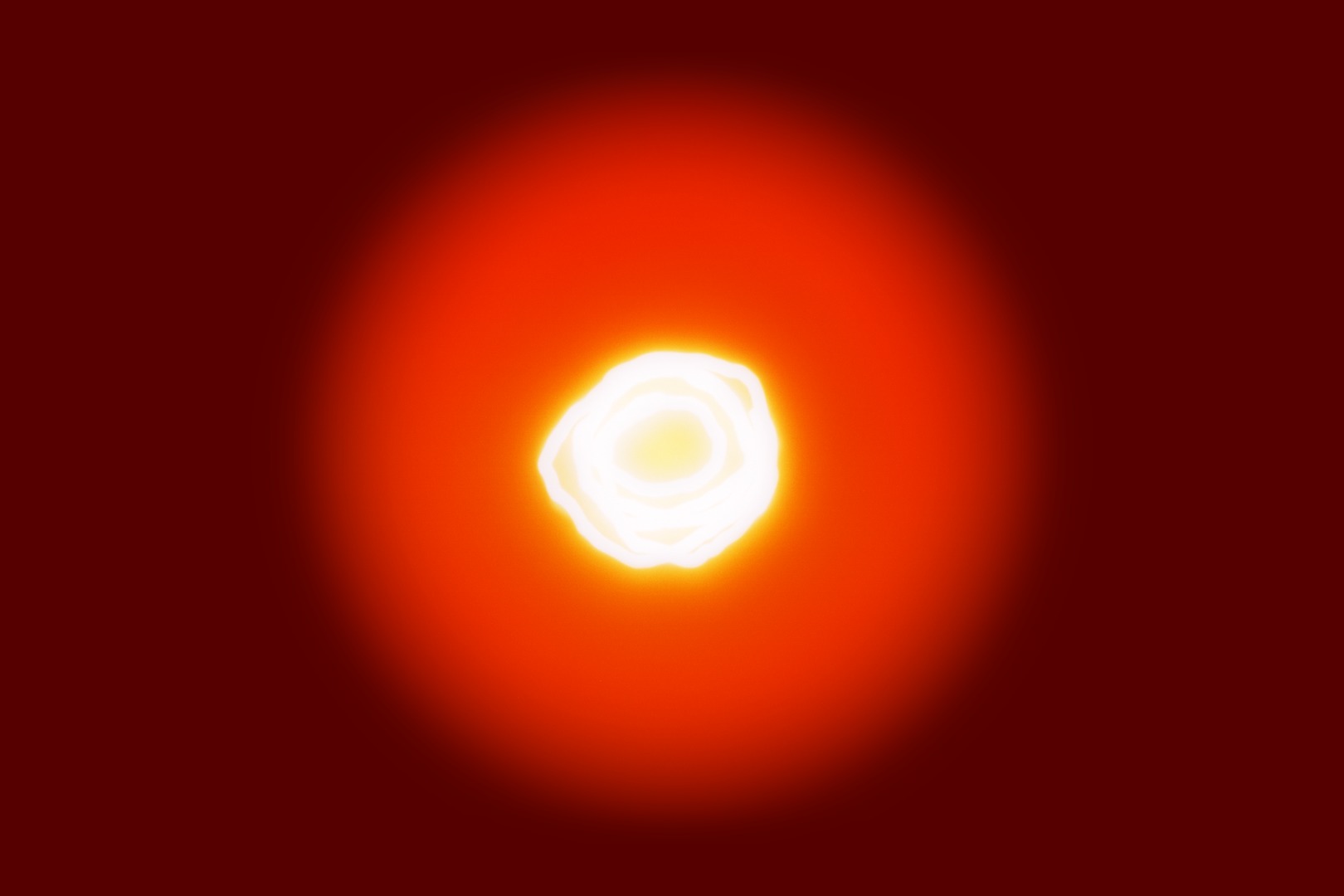
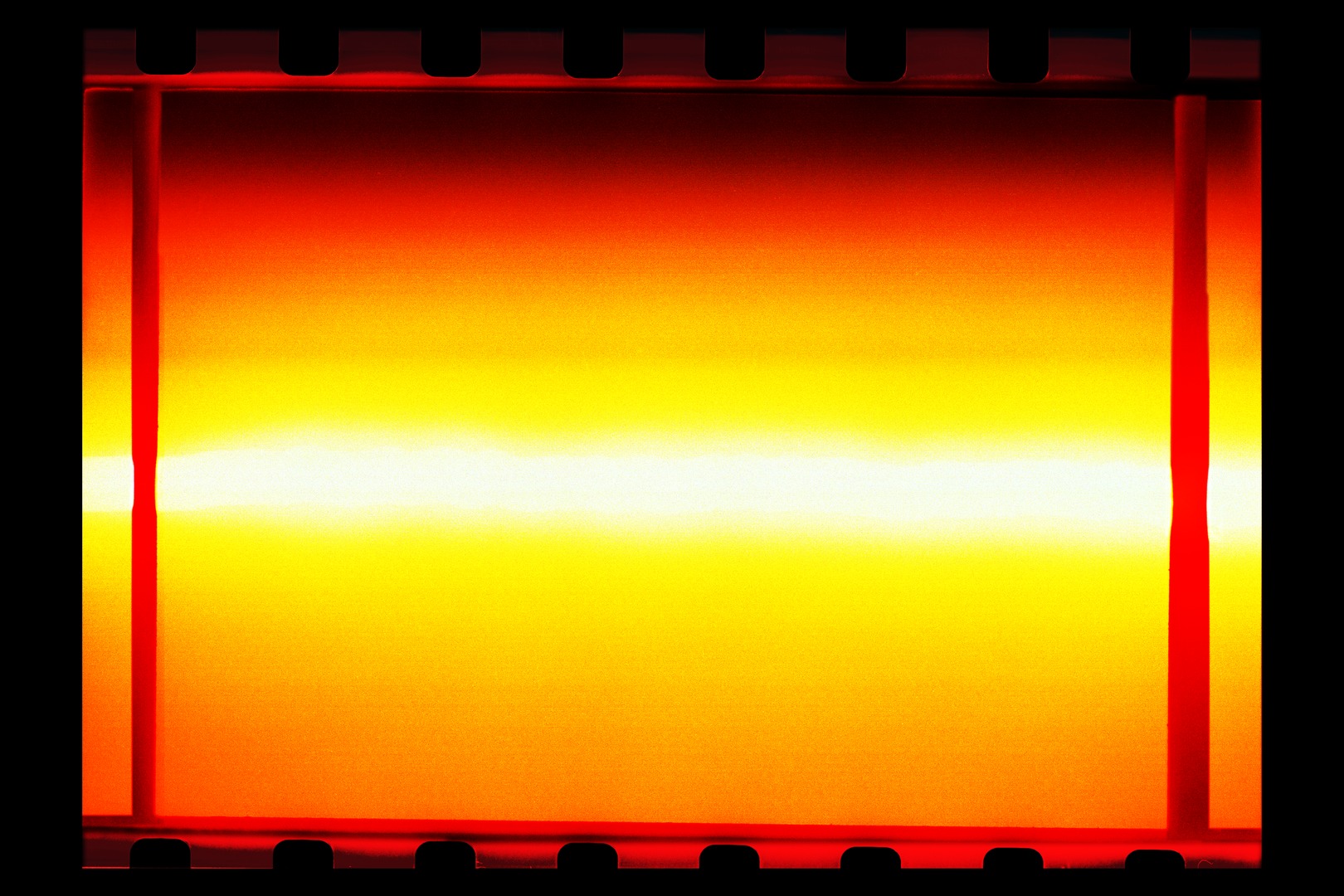
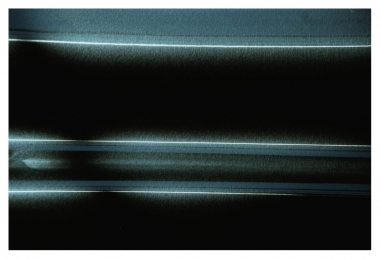
I think that the transmission of light, the eternal problem of painting, may occur evenusing a photographic film , especially in colours. The luminous trails, both straight and curved lines, both circular concentric and spherical would like to be generators of movement in the universe.
If I have achieved my goal, the transmission of light is to be intended as transmission of energy , cosmic vibrating energy which exceeds the limits of the arcanum ,of the esoterism. These ideas also derive from a personal reappraisal of the artistic period of the American “action painting” and from the painter Hans Hartung. It is well known how these personalities have also re-invented artistically the brightness of colours, obtaining brilliant results.
Nicola Brindicci
CONSTRUCTIVE AND EXECUTIVE PART
Ezhaustive explanations for patient readers …
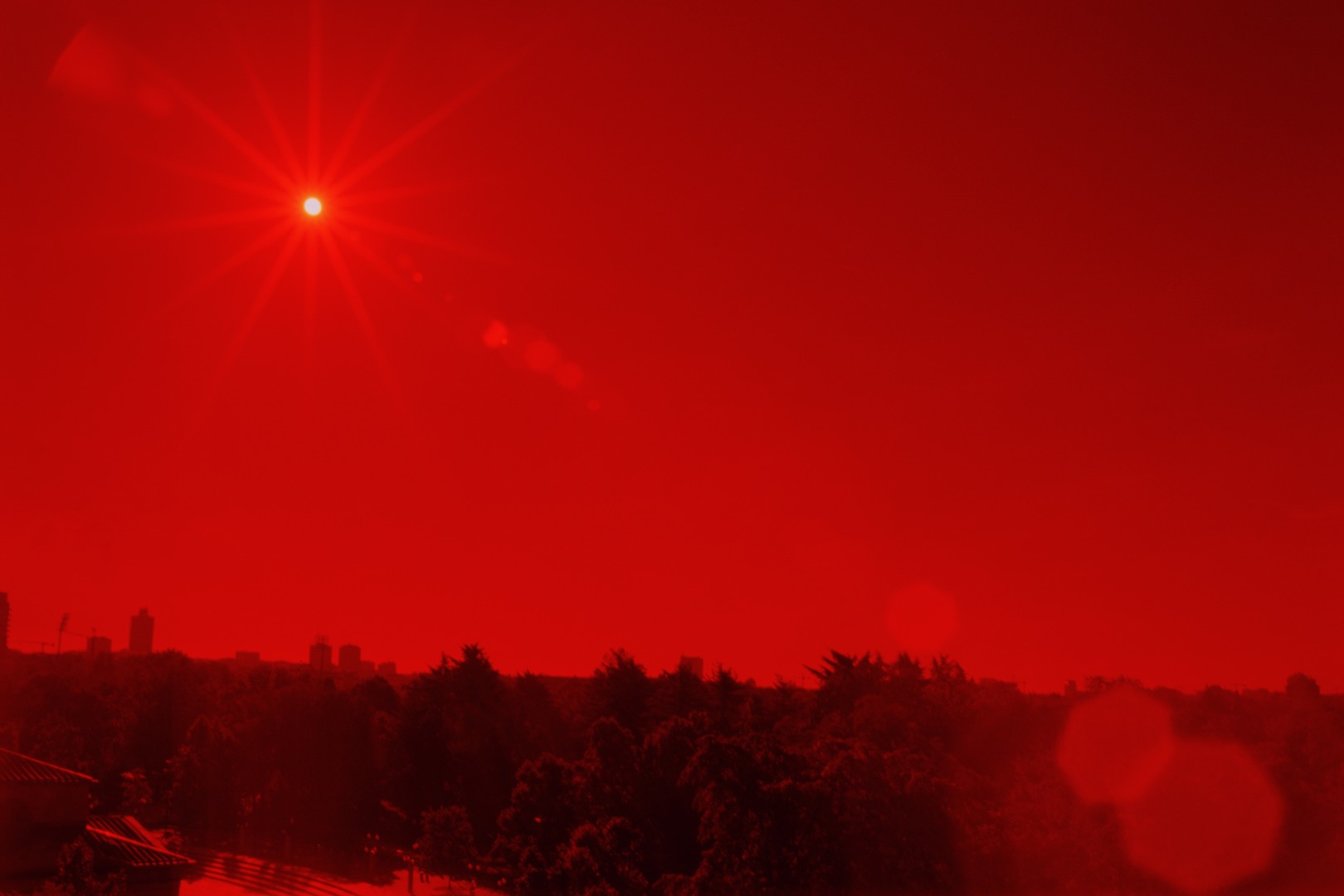
Most of these photos are not executed straight off, but they are sketched and then reworked with a drawing. I have later transferred on a sheet the squared network which can be seen in the sights of the camera and which divides the visual field into rectangles. I have eventually copied my drawings on these reticulate sheets to have a guide for the movement I am going to exert slowly on the camera in the course of operation; of course it is rotated on a heavy ball joint tripod. One of the problems is that the Sun, taken in the field of the sights, moving the camera slowly, doesn’t leave any trace , so I had to memorize as much as possibile the lines drawn on the reticulate sheet which I kept near me during the course of execution. I have often carried out more than one attempt. Spesso ho effettuato più di un tentativo. The red colour of the photos is obtained with only one filter when the clouds in the sky are halfrevealed on the printing, or with two superimposed filters of the same strong intensity when I want to obtain a uniform red. I enjoyed shooting the concentric circles around the Sun due to the aberrations of the lenses, normally not desired in photography. The exposure time during the shooting of the Sun is of several seconds so that it could leave its trace on the film , thus the movement is very slow.
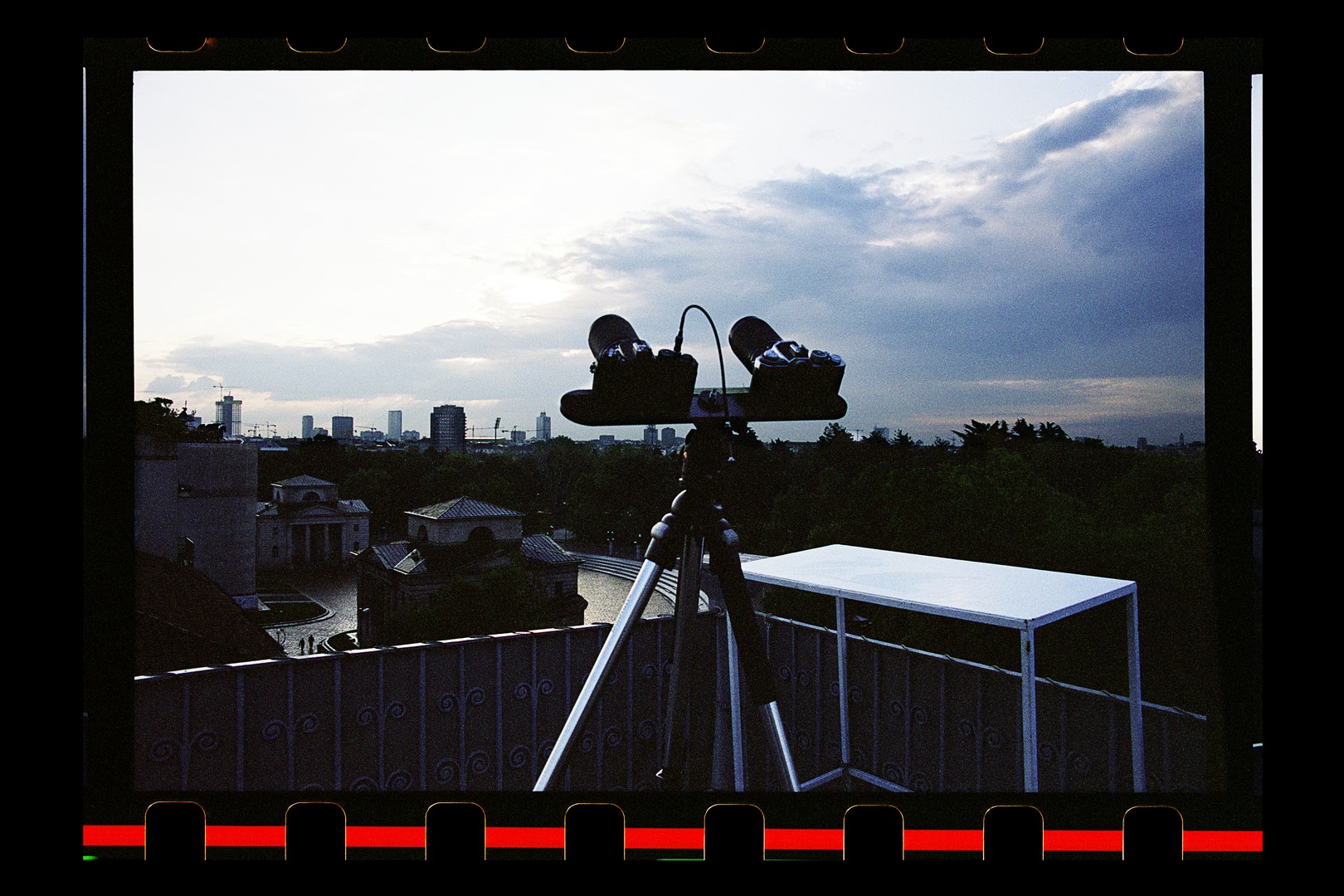
Superimposed images can be seen nearly always, or images with cut lines, in which every segment represents just one extended shooting. More lines on the same photo are separate shootings on the same single photo. This can be obtained excluding the advancing of the film every time. It is generally known that for long exposure time, as it happens for any photo , the camera reflex (nearly all of them are like that) doesn’t show the image through the sights any more: the inside mirror lifts up to let the light pass only through the film and closes the visual field of the same sights. The solution to be able to “see”, consists of using two cameras, exactly alike and joint to the same metal plate, to be rotated on a tripod. A camera exerts the light on the film, the twin camera helps the eyes to guide the movement of the disc of the Sun among the rectangle visibile in the sights, according to the pre-arranged plan. Also the second camera has filters that lower the light very much , and I protect my eyes with dark lenses not to damage my sight in the direct Sun. This was my enjoyment , always early in the morning, with the Sun low in the horizon,in May and June in 2008.
Nicola Brindicci
Nikon FM 3 A mechanical cameras. Foto camere: Nikon FM 3 A, meccaniche
Lens Nikkor zoom 35 – 200. Obbiettivi: Nikkor zoom 35 – 200
Film Pellicola Fujicolor Superia Reala 100, aquired digitally to print with Lambda. No ink jet , Kodak plasticized tracing paper.
acquisita digitalmente per stampare
con Lambda. No ink jet
Carta lucida Kodak, plastificata
 Visit my page on



Fill all required fields